Plan your trip to Japan — free planner, guides and tools

Budget, dates, travel pace and interests.
Cities and nights distributed, reorderable and editable.
A day-by-day itinerary with costs and booking links.
Tools to plan your trip to Japan


Guides to the top cities in Japan
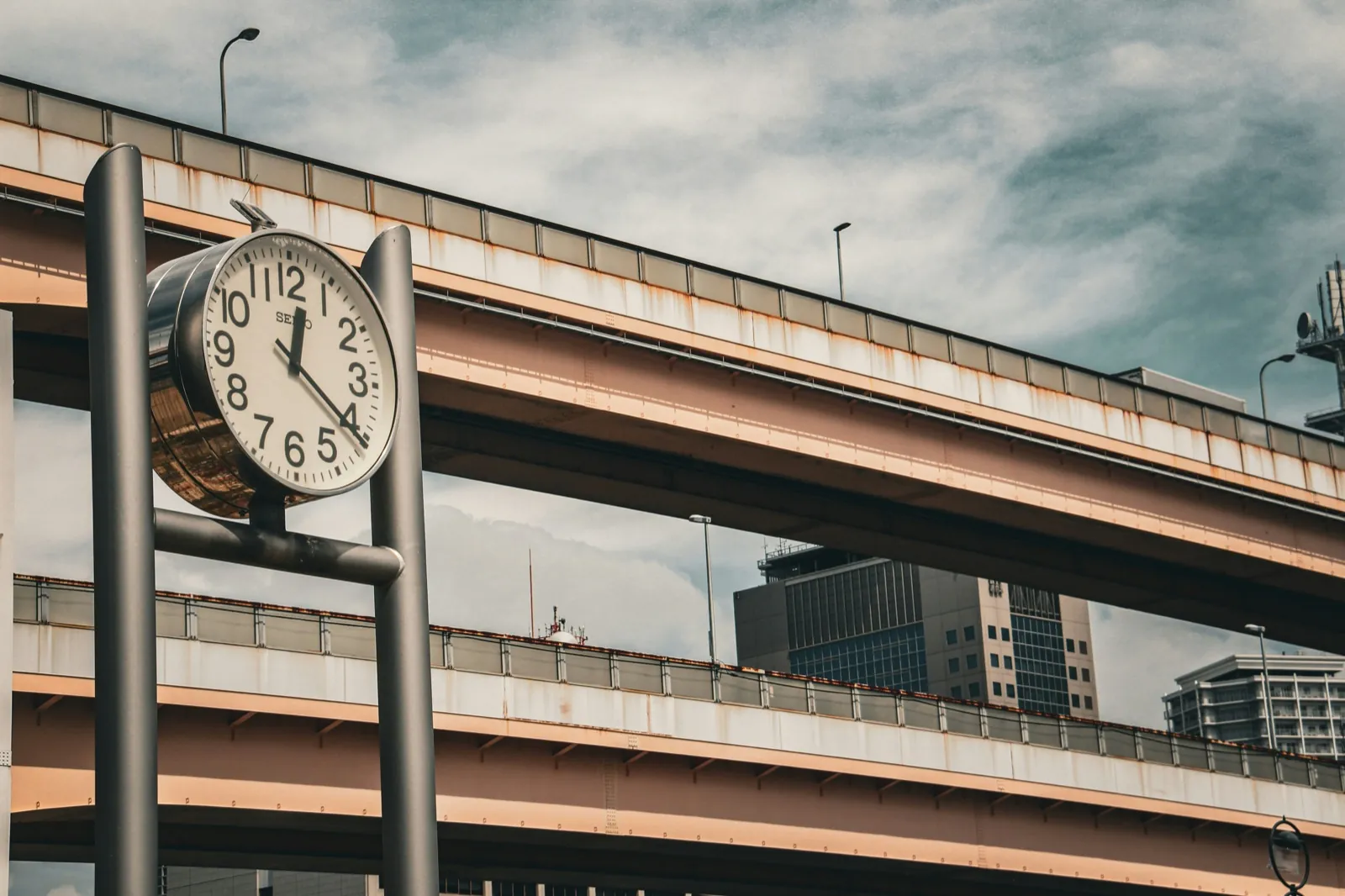
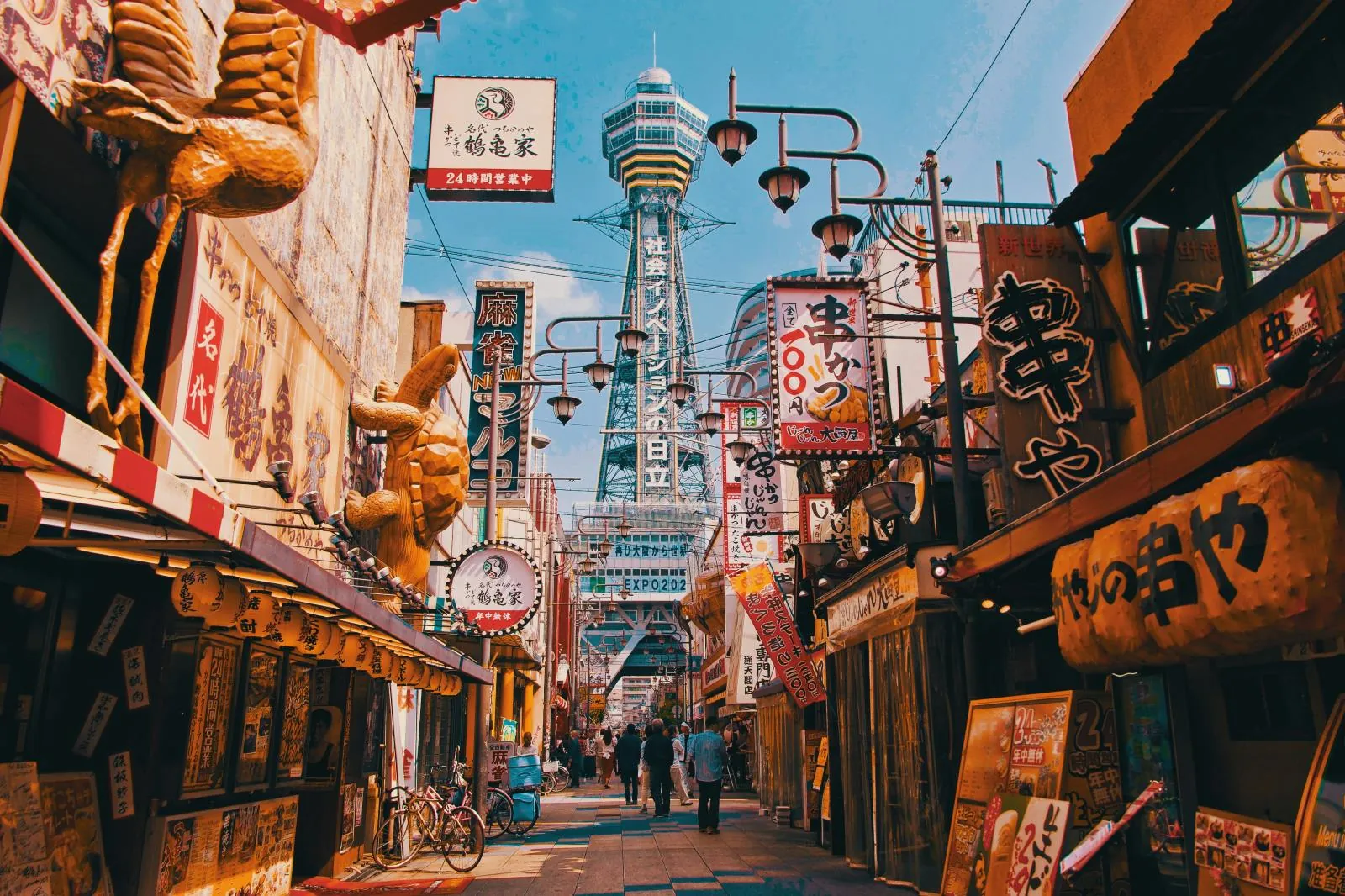
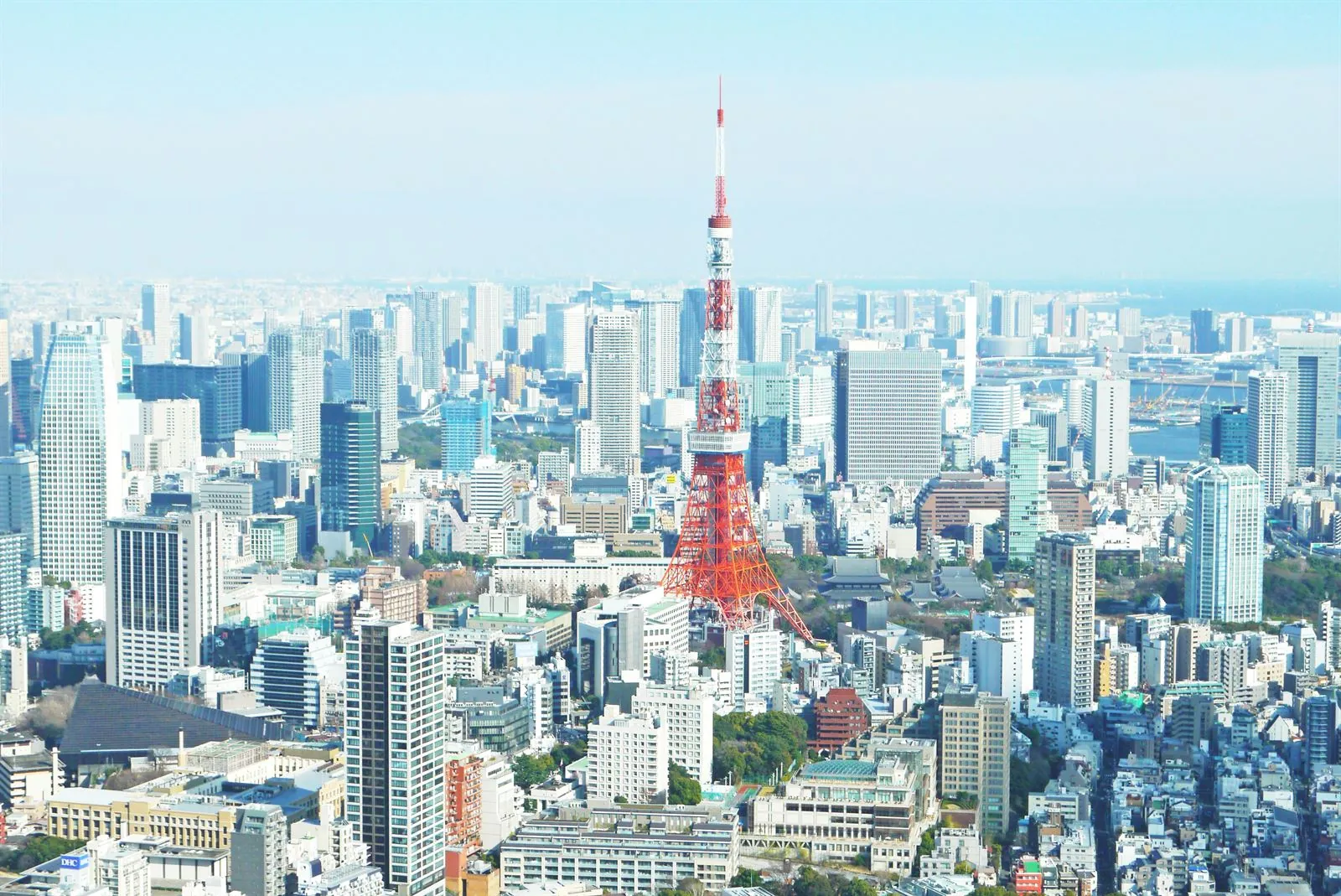
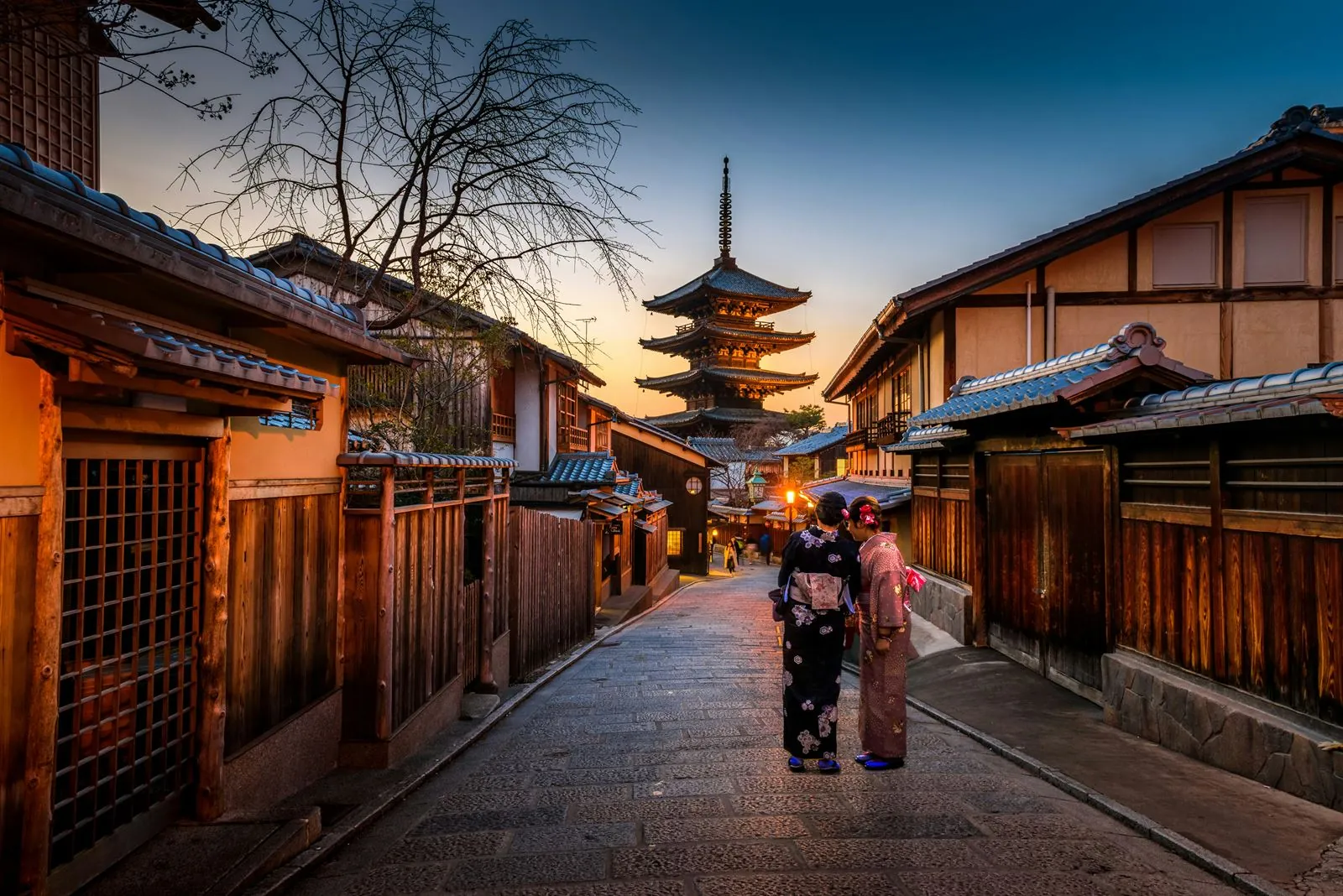
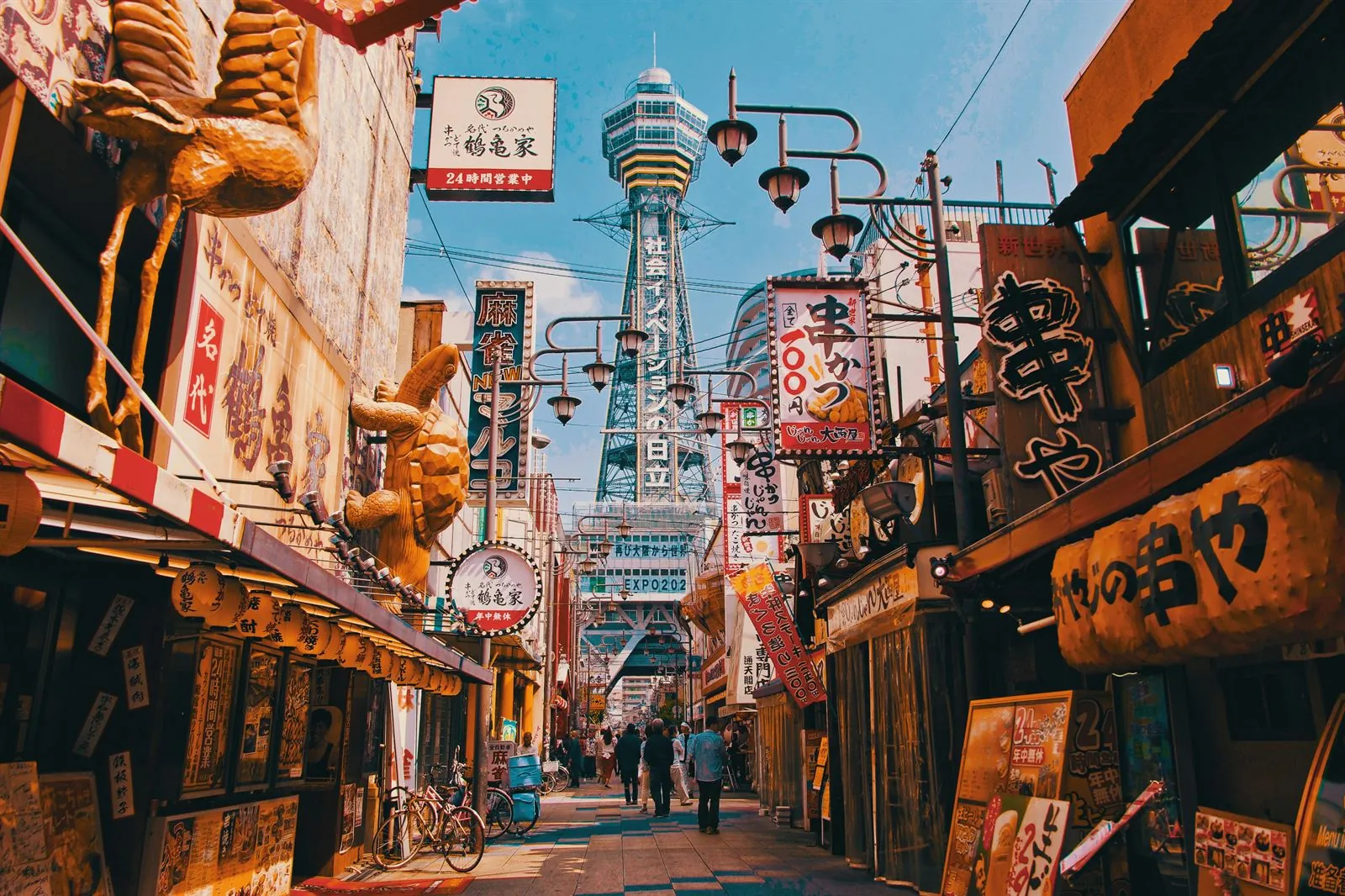
Before you travel, it pays to get to know each destination: which neighbourhoods to explore, where to stay and how to get around. Tokyo, Kyoto and Osaka are the essential stops on any itinerary, while the rest — Nara, Hiroshima, Kanazawa, Hakone and more — each have their own guide on the Japan city guides page.
Essential guides for your trip to Japan
Everything you need to know before you go: budget, the best time to visit, transport and paperwork. These are our most popular reads; the full library is on the Japan travel guides page.
Frequently asked questions about travelling to Japan
How does the Japan trip planner work?
It takes three steps. First, enter your budget, travel dates, number of travellers, preferred pace (relaxed, balanced or fast) and interests. The planner instantly proposes a route with cities and nights allocated for you. Next, fine-tune it: drag to reorder stops, adjust the nights per city, or add and remove destinations. Finally, you receive a complete itinerary — estimated costs per person and per day, hotel links on Klook matched to your dates, and a permanent link to save or share your plan. Try the planner for free →
How much does a 10–15 day trip to Japan cost?
It depends on your travel style and the season. Indicative ranges per person, including international flights, accommodation and on-the-ground spending:
- Budget: €1,500–2,000 — discounted flights, hostels or capsule hotels, set lunches and travel by metro.
- Mid-range: €2,200–3,200 — standard flights, 3-star hotels or affordable ryokan, a mix of restaurants and supermarket meals.
- Comfort: €3,500–5,000 — 4-star hotels, ryokan with dinner included and unlimited shinkansen travel.
The largest variable is airfare (€600–1,200 depending on the season), followed by the JR Pass if your route calls for one (from €390 for 14 days). For a full breakdown, see our guide to the cost of travelling to Japan.
How many days do you need to travel to Japan?
It depends on how many cities you want to see and your pace. The most popular itineraries:
- 10 days: the recommended minimum. Tokyo (4–5 nights) + Kyoto (3 nights) + Osaka (2 nights). Active, but comfortable.
- 14 days: the sweet spot for most travellers. Add Hiroshima and Miyajima, a day trip to Nara from Kyoto, and a night in Hakone with views of Mt. Fuji.
- 16–21 days: to slow the pace or add Kanazawa, Nikko, Kyushu or northern Japan (Tohoku, Hokkaido).
The planner allocates the nights automatically based on the dates you enter, prioritising the destinations with the most to offer.
Is it better to stay in Tokyo the whole time and take day trips?
For trips of 10 days or more, generally no. The shinkansen makes city-to-city travel fast (Tokyo–Kyoto in 2h15, Kyoto–Osaka in 15 minutes), and basing yourself near the places you want to see saves both time and fatigue. Most routes combine a few nights in Tokyo, a few in Kyoto and one or two in Osaka. A single base in Tokyo with day trips only makes sense on very short trips of 5–6 days. The planner distributes the nights around your dates so you do not have to work it out yourself.
Is the JR Pass worth buying?
It depends on your route. The JR Pass covers shinkansen and JR trains nationwide, but if you only travel between Tokyo, Kyoto and Osaka it may not beat buying individual tickets. On longer routes with several journeys (Tokyo–Hiroshima–Kyoto–Osaka, for example) it usually works out cheaper. Use our JR Pass calculator to compare both options for your exact itinerary, or read the complete JR Pass guide to see precisely what it covers.
Does the planner include transport costs between cities?
The planner includes an indicative daily transport estimate for local travel (metro, buses, the occasional taxi), but it does not itemise each shinkansen ticket. To work out intercity costs and whether the JR Pass pays off, use the JR Pass calculator, which prices your route using current fares.
Can I book the hotel directly from the itinerary?
Yes. As your itinerary is generated, each city includes a direct link to Klook with your check-in and check-out dates already applied, so you can view availability and prices without re-entering anything. Compare options and book without leaving your plan — which you can save and share with a permanent link, then return to later or send to a travel companion.
When is the best time to travel to Japan?
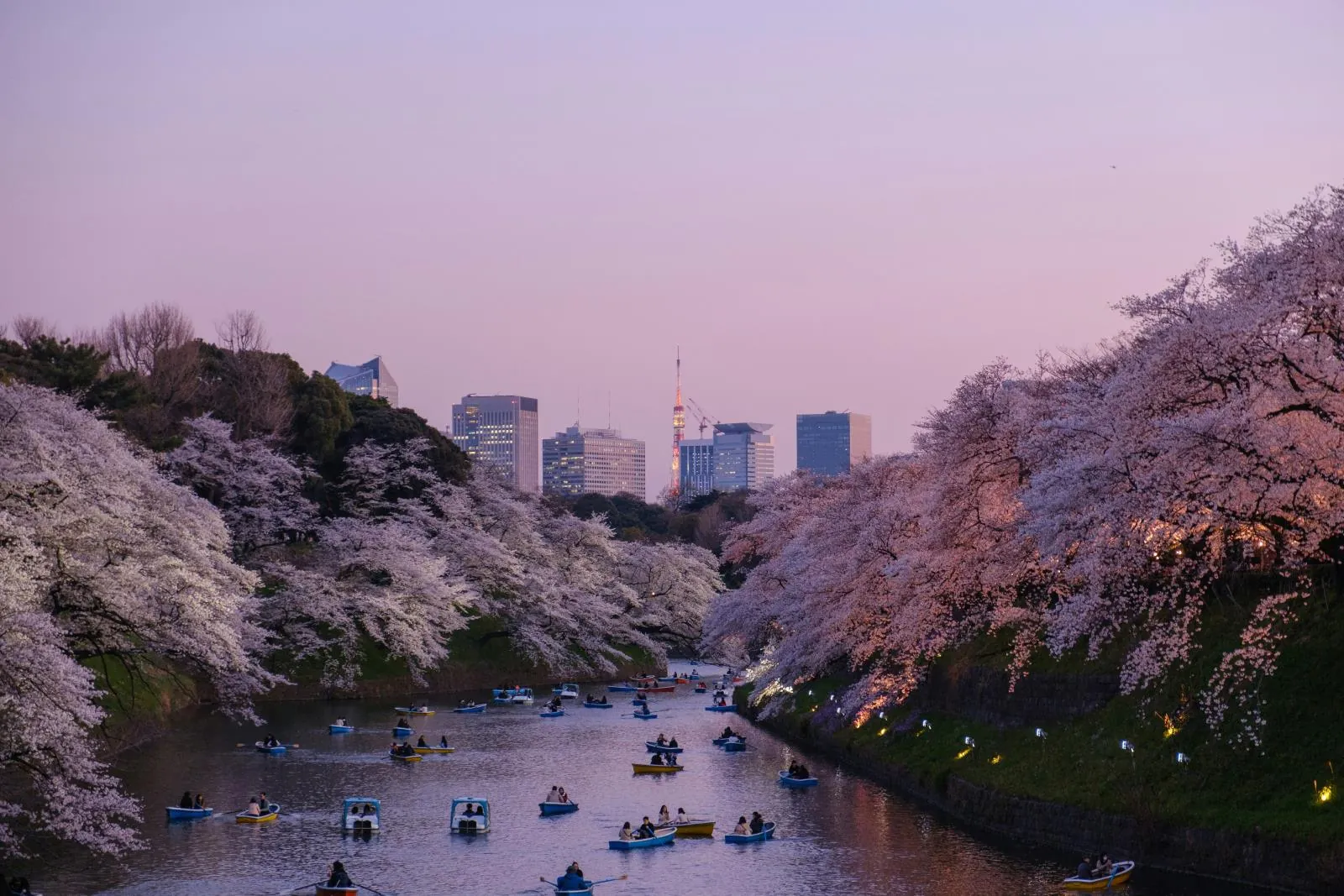
Spring (late March–April, cherry blossom) and autumn (October–November, autumn foliage) are the most sought-after seasons for their scenery and mild weather — and also the busiest and most expensive. Summer (July–August) is hot and humid but full of festivals (matsuri). Winter is cold but quieter, with snow in mountain regions such as Hokkaido and the Japanese Alps. Our guide on the best time to travel to Japan compares the weather, events and prices month by month.
Do I need a visa to travel to Japan?
For most Western travellers, no. Citizens of the EU, the UK, the United States, Canada, Australia and many other countries can enter Japan visa-free for tourist stays of up to 90 days. You will need a valid passport, a return ticket and confirmed accommodation (or sufficient funds for the trip). This may change with the planned introduction of JESTA (an electronic travel authorisation expected around 2028), but for now there is nothing to apply for. Always check your official government guidance and our Japan visa guide before you travel.
What currency is used in Japan, and how is it best to pay?
The currency is the Japanese yen (JPY). Japan remains a largely cash-based society: many small restaurants, temples and local shops accept cash only. The most practical option is to withdraw yen from 7-Eleven or Japan Post ATMs, which accept international cards at reasonable rates. Credit cards work well in hotels, department stores and shopping centres, but always carry some cash to be safe. You can check the current rate with our euro to yen converter.