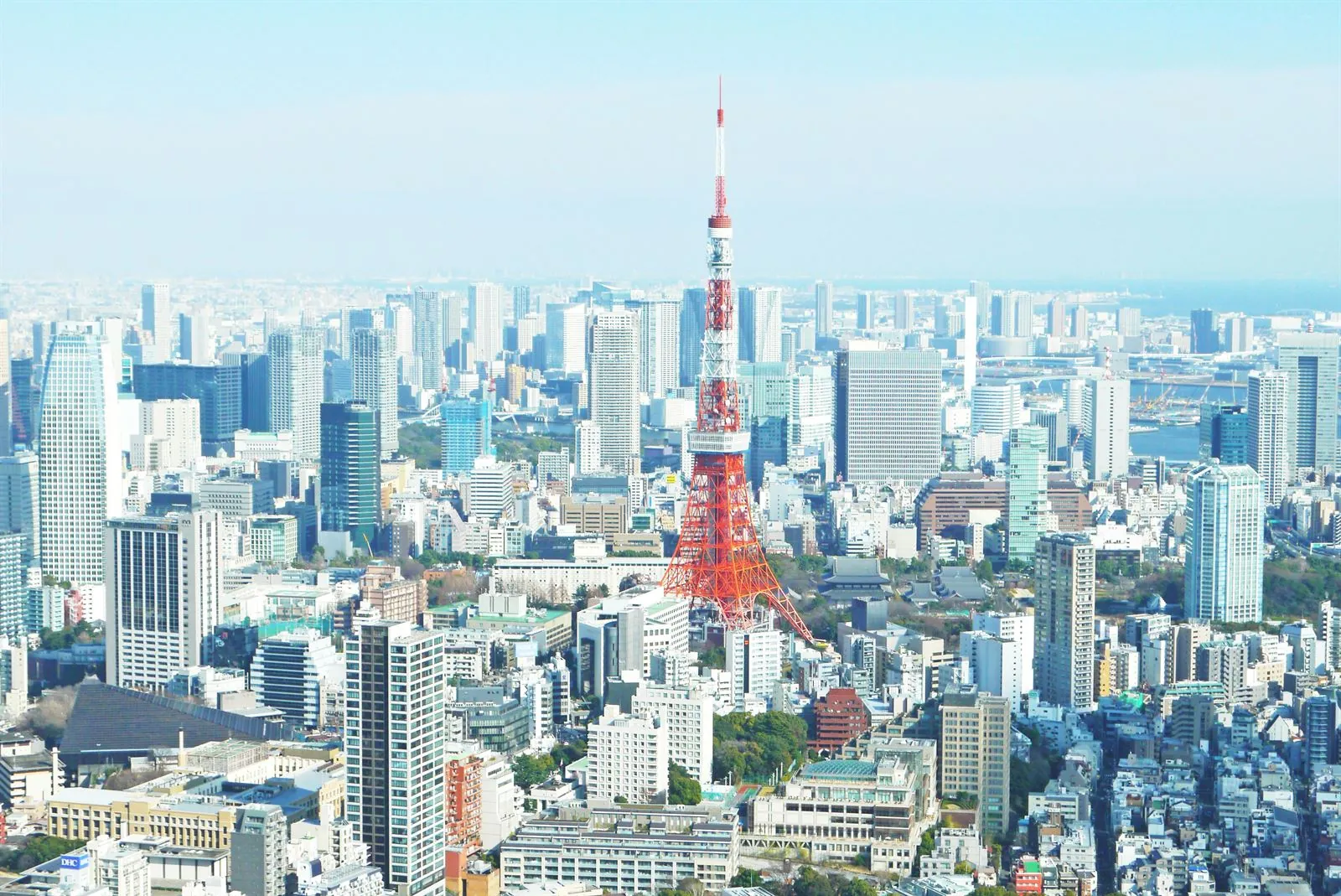
Night view of Tokyo with the lights of Shibuya

Tokyo: the best base to begin your journey through Japan

A perfectly organised megacity with plans to suit any travel pace.

Tokyo at a glance

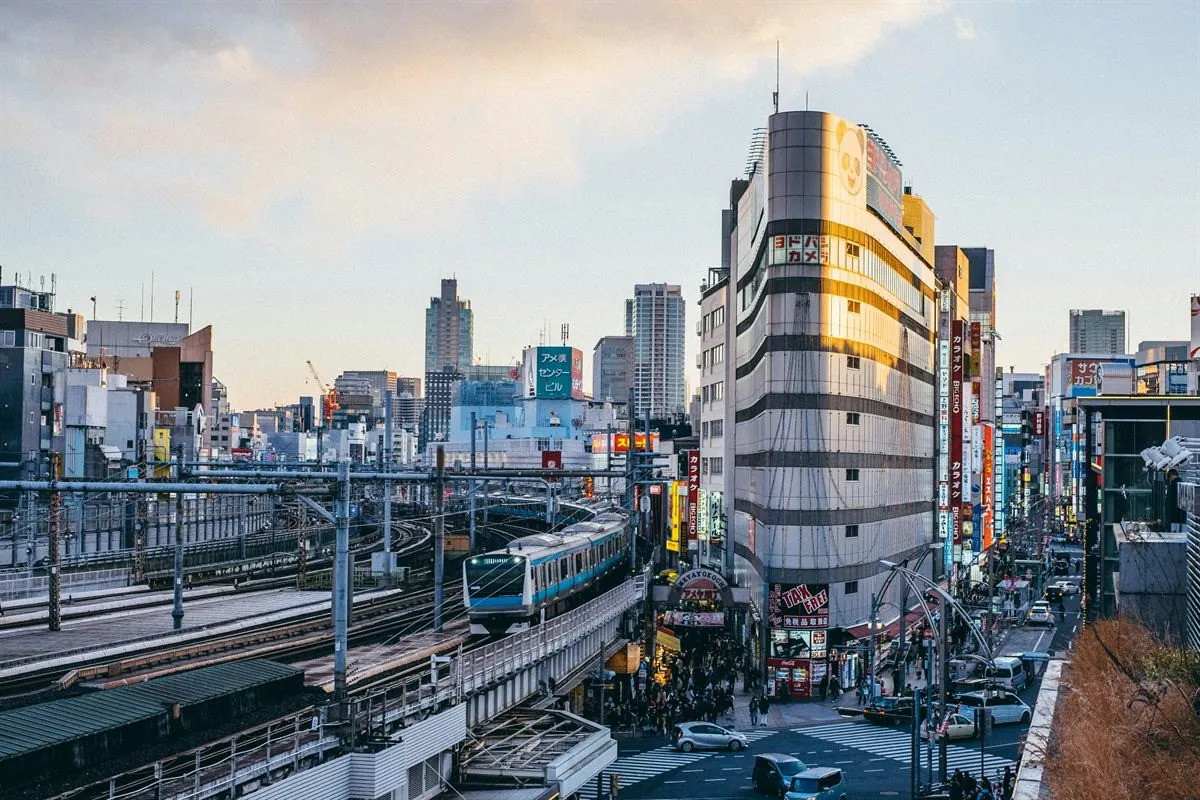
Tokyo is vast yet surprisingly easy to explore. Each neighbourhood has its own personality: Asakusa preserves the most classic side of Japan with Senso-ji temple and the Nakamise shopping street, Shibuya and Shinjuku concentrate the most intense urban energy, and districts such as Yanaka or Shimokitazawa offer a calmer, more local feel. The metro connects everything within minutes, and the city works as the central hub for travelling around the rest of the country by shinkansen.

Tokyo welcomes millions of travellers every year through Narita (NRT) and Haneda (HND) airports. Spend your first days adjusting to the time zone and getting familiar with the metro before continuing your route. An IC card (Suica or Pasmo) covers every journey on the metro, buses and JR trains without buying individual tickets: you can top it up at any station machine and it is essential. If your itinerary has a free day, Kamakura — the Great Buddha, temples and the sea — is less than an hour away by train.

How many days should you spend in Tokyo? Calculate your budget and split your nights automatically.
Plan my trip →

Key Tokyo neighbourhoods

These three areas hold most of the things to do and are the usual starting point for planning your days in the city.

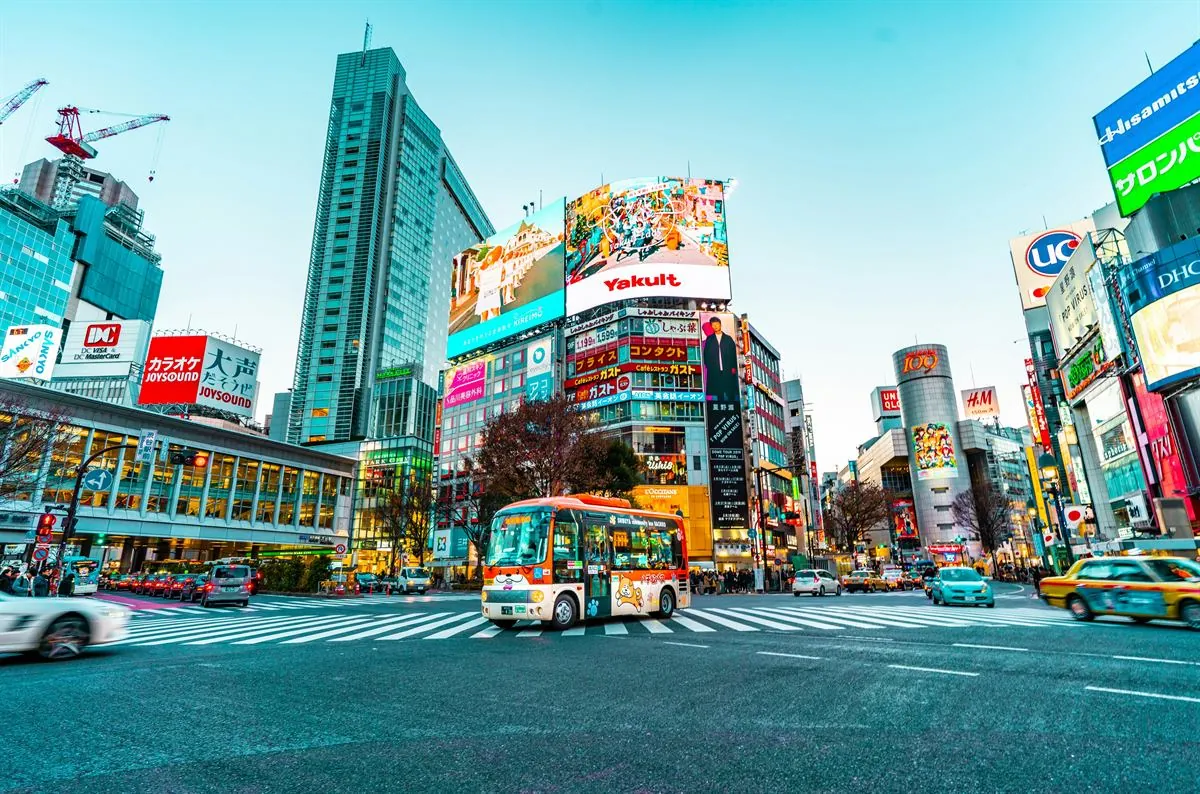
Shibuya pedestrian crossing and the lights of Shinjuku in Tokyo

Shibuya and Shinjuku

The Shibuya crossing is one of the most photographed in the world. Shinjuku combines the busiest transport hub on the planet with the Shinjuku Gyoen garden, the skyscrapers of the west district and the lively Kabukicho. Free observation decks, izakayas and plenty of nightlife.
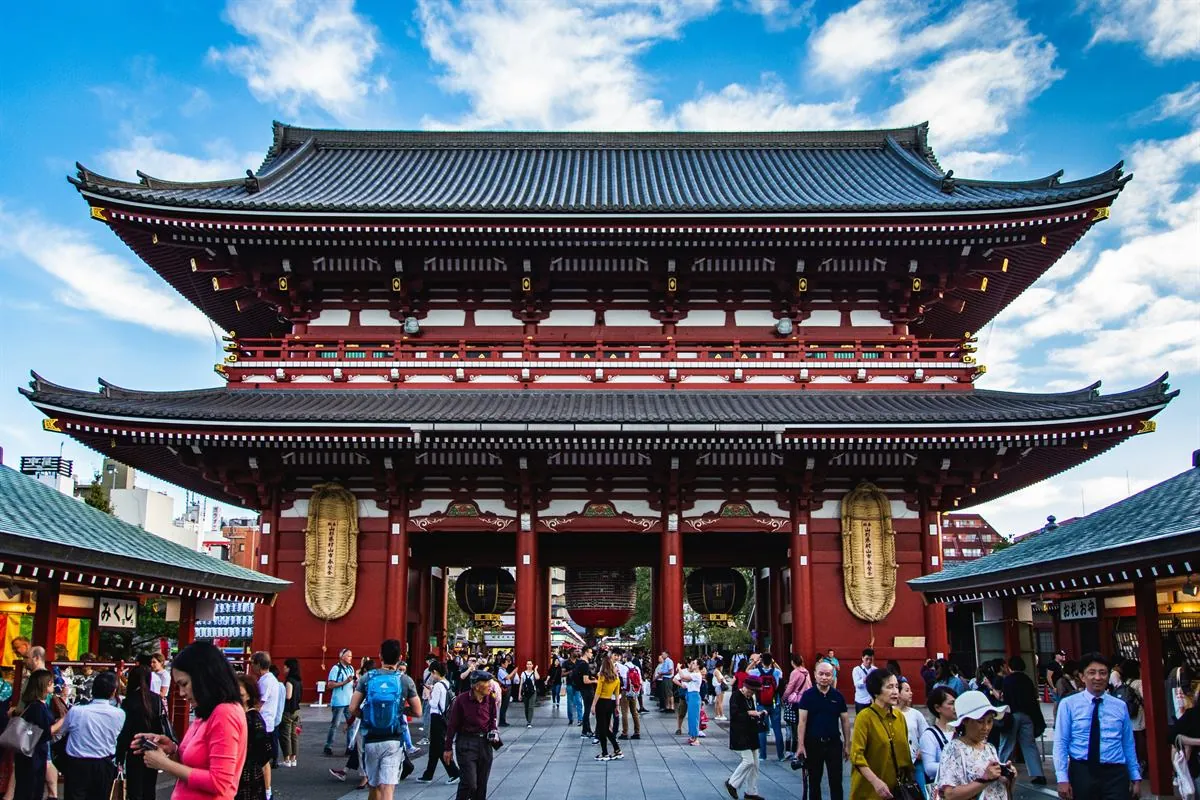
Senso-ji temple and the streets of Asakusa in Tokyo

Asakusa and Ueno

Asakusa is home to Senso-ji temple and the Nakamise shopping street, two of the most visited spots in Japan. Ueno gathers several national museums, the zoo and a park perfect for picnics under the cherry blossoms in spring. The pace is calmer and the atmosphere more traditional.

Historic facade of Tokyo Station and the avenues of Ginza

Tokyo Station and Ginza

Tokyo Station is the shinkansen hub and the starting point for any route across Japan. Ginza, a few minutes on foot, is the most premium shopping district: art galleries, international boutiques and restaurants across every price range.

Activities and experiences in Tokyo

Recommended plans, sights and experiences, with budget guidance and direct links.

Meiji Jingu Shrine
Meiji Jingu Shrine
Temples & castles · A Shinto shrine surrounded by forest next to Harajuku; free entry, you only pay for offerings.
Free
Senso-ji Asakusa
Senso-ji Asakusa
Temples & castles · Tokyo's most famous Buddhist temple with the Kaminarimon gate and the Nakamise shopping street; free access.
Free
Tokyo DisneySea
Tokyo DisneySea
Theme parks · A Disney park inspired by the sea, considered one of the best in the world; price similar to Disneyland.
5.000 - 10.000 JPY
Tokyo Skytree Tembo Deck
Viewpoints · The highest viewpoint in the city; admission to the Tembo Deck is around 3.100-3.800 ¥ depending on the combination.
1.500 - 2.499 JPY

How to fit Tokyo into your itinerary

Tokyo is the usual gateway to Japan: most travellers land at Narita or Haneda and spend their first 4 to 6 days in the city before continuing by shinkansen towards Kyoto and Osaka. The best day trips depart from here — Kamakura, Nikko and Hakone — ideal for breaking up your stay without changing hotels. If you prefer to see a full day-by-day route, check the itineraries by duration.

Travel between cities

How much does the train to Tokyo cost? Check whether the JR Pass is worth it by adding Tokyo to your route.
Calculate JR Pass →

Frequently asked questions about Tokyo

How many days do I need to see Tokyo?

Between 4 and 6 days is enough to explore Shibuya, Shinjuku, Asakusa and Ueno at a relaxed pace, with room left over for a day trip to Kamakura or Nikko. See the full guide →

Which is the best area to stay in Tokyo?

Shibuya and Shinjuku are convenient for reaching anywhere and offer a wide variety of hotels at all prices. Asakusa is quieter, with a traditional atmosphere. If you are leaving by shinkansen from Tokyo Station, staying nearby saves a lot of time on departure day. See the full guide →

How do you get around Tokyo?

The metro is the best option. With an IC card (Suica or Pasmo) you can travel across the whole network — metro, JR, buses — without buying individual tickets. You can top it up at any station machine, and it also works to pay at many shops and vending machines. See the full guide →

What is the difference between Narita and Haneda airports?

Haneda is much closer to the centre (30-40 min by train), while Narita takes between 60 and 90 minutes depending on the service. The Narita Express (N'EX) and the Keisei Skyliner are the most convenient options from Narita. If you can choose your flight, Haneda is usually more convenient. See the full guide →

Can you do a day trip to Kamakura from Tokyo?

Yes, Kamakura is about 55 minutes by train from Shinjuku or Tokyo Station. You can comfortably see the Great Buddha, the Hase temples and the lively Komachi district in a single day. See the full guide →

Do I need to speak Japanese to get around Tokyo?

It is not essential. Metro stations have signage in English and romaji, restaurants often have menus with photos, and Google Maps works perfectly for finding your way. Learning a few polite words (arigatou, sumimasen) is always appreciated. See the full guide →