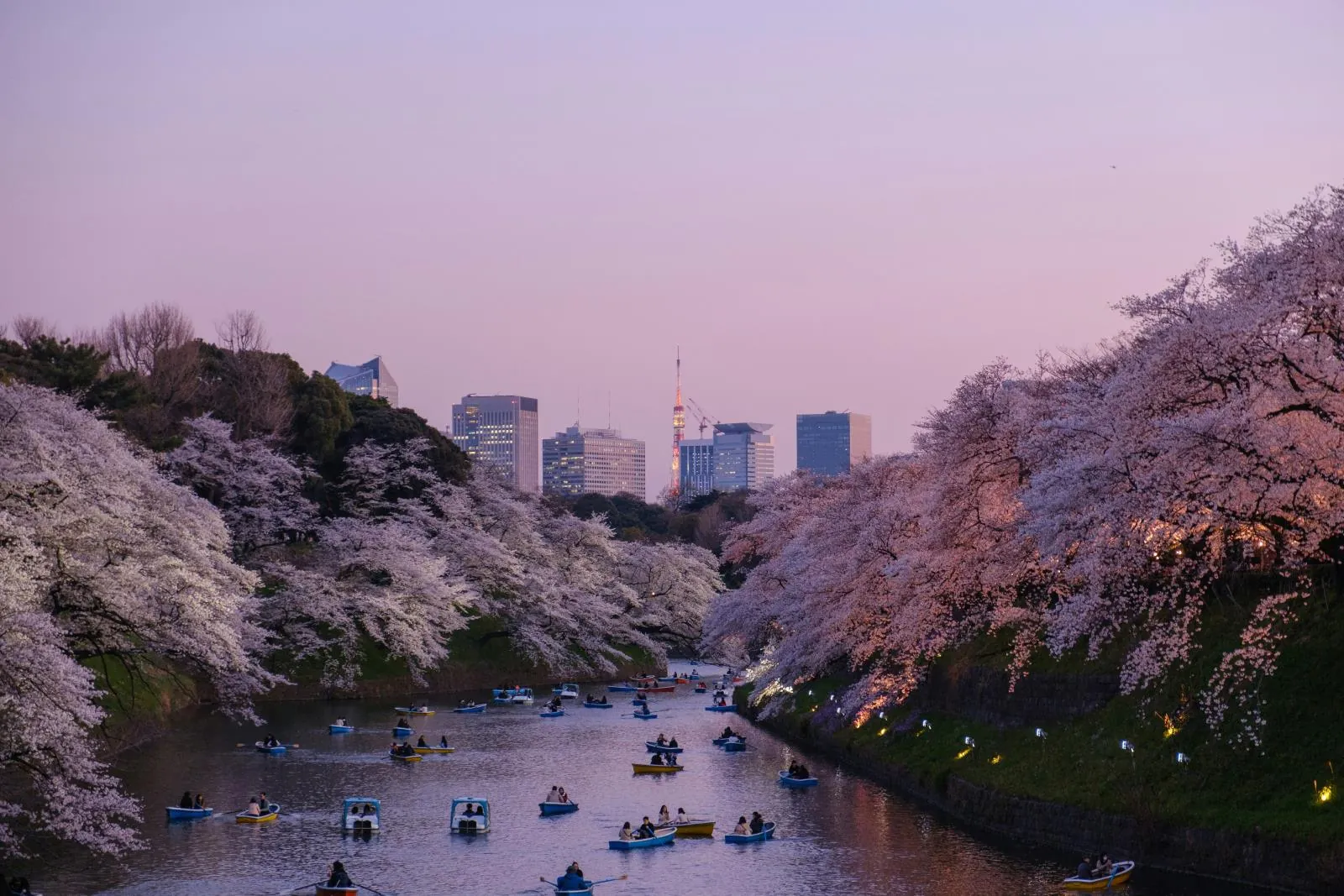
Signs in Japanese in the streets of Tokyo

Basic Japanese phrases for tourists

You do not need Japanese to travel to Japan — but these 50 phrases change the experience.

In Japan you can travel perfectly well without knowing Japanese: English works fine in the big cities and Google Translate with the camera translates signs instantly. But learning twenty basic phrases transforms your relationship with the country. Japanese people hugely value the effort, even if your pronunciation is terrible.

How to pronounce Japanese

Japanese is easier to pronounce than it seems: the vowels are pure (a, i, u, e, o), like in Spanish or Italian rather than the gliding English ones, and there are no tones like in Chinese or Thai.

  • Vowels: they are pure and consistent. "Arigatou" is read "a-ri-ga-to-u", not like in English.
  • Japanese "R": halfway between a soft "r" and a soft "d". "Roku" sounds roughly "ro-ku".
  • Long vowels: in romaji they are marked with an accent (o, u) or a double vowel (oo, uu). They are held twice as long. "Tokyo" = "Too-kyoo".
  • Double consonants: "kk", "tt", "pp" mean a brief pause before the consonant. "Ippai" = "ip-pai" (pause before "pai").
  • Syllables: Japanese is a syllabic language; each syllable has the same weight. "Sumimasen" = "su-mi-ma-sen", four even syllables.
In this guide the pronunciation is written in phonetic romaji. Read it directly and you will sound comprehensible to any Japanese person.

Essential greetings and courtesies

EnglishPronunciationJapanese
Good morningO-ha-yoo go-zai-masおはようございます
Good afternoon / helloKon-ni-chi-waこんにちは
Good eveningKon-ban-waこんばんは
Thank youA-ri-ga-tou go-zai-masありがとうございます
Thanks (informal)A-ri-ga-touありがとう
You are welcomeDoo i-ta-shi-mas-teどういたしまして
Please (request)On-e-gai shi-masお願いします
Sorry / Excuse meSu-mi-ma-senすみません
Sorry (apology)Go-men na-saiごめんなさい
YesHaiはい
NoI-ieいいえ
I do not understandWa-ka-ri-ma-senわかりません
Do you speak English?E-i-go wa ha-na-se-mas ka英語は話せますか
GoodbyeSa-yoo-na-raさようなら
See you (informal)Ja-a-neじゃあね
"Sumimasen" is the most useful phrase of all: it works to get a waiter's attention, to apologise when passing in front of someone and to ask for help in the street. Learn it first.

At restaurants and cafes

EnglishPronunciationJapanese
Said before eating (thanks for the meal)I-ta-da-ki-masいただきます
It was delicious!Go-chi-soo sa-ma de-shi-taごちそうさまでした
A table for two, pleaseFu-ta-ri de-su二人です
This one, please (pointing)Ko-re o ku-da-saiこれをください
The bill, pleaseO-ka-i-kei o-ne-gai shi-masお会計お願いします
Is tax included?Ze-i-kin ko-mi des ka税金込みですか
I am allergic to… (important)… a-re-ru-gii ga a-ri-mas…アレルギーがあります
I am vegetarianBe-ji-ta-ri-an desベジタリアンです
No pork, pleaseBu-ta-ni-ku na-shi de o-ne-gai豚肉なしでお願い
Do you have an English menu?E-i-go no me-nyuu wa a-ri-mas ka英語のメニューはありますか
I will pay by cardKaa-do de ha-rai-masカードで払います
I will pay in cashGen-kin de ha-rai-mas現金で払います
At many traditional Japanese restaurants you do not call the waiter: there is a button on the table or you say "sumimasen" out loud. Pointing at the menu while saying "kore o kudasai" always works.

On transport: train, metro and taxi

EnglishPronunciationJapanese
Where is the station?E-ki wa do-ko des ka駅はどこですか
Does this train go to Tokyo?Ko-no de-sha wa Too-kyoo e i-ki-mas kaこの電車は東京へ行きますか
One ticket to Kyoto, pleaseKyoo-to ma-de i-chi-mai ku-da-sai京都まで一枚ください
How much is it?I-ku-ra des kaいくらですか
Which platform?Na-n-ban-sen des ka何番線ですか
How many stops?Na-n-tsu-me no e-ki des kaいくつめの駅ですか
I want to go to this addressKo-ko e it-te ku-da-sai (show your phone)ここへ行ってください
Take me to the airportKuu-koo ma-de o-ne-gai shi-mas空港までお願いします
Here is fine, stopKo-ko de to-me-te ku-da-saiここで止めてください
On the Tokyo metro the screens and announcements are in Japanese and English. For the Shinkansen, Google Maps shows the lines in real time and warns of transfers. Japanese is less necessary on transport than at restaurants.

Shopping: shops, prices and markets

EnglishPronunciationJapanese
How much is this?Ko-re wa i-ku-ra des kaこれはいくらですか
I am just lookingMi-te-ru da-ke des見てるだけです
Do you have a large / small size?Oo-ki-i / chi-i-sai sa-i-zu wa a-ri-mas ka大きい/小さいサイズはありますか
Can I try it on?Shi-cha-ku shi-te mo ii des ka試着してもいいですか
I will take itKo-re ni shi-masこれにします
Can you gift-wrap it?Pu-re-zen-to yo-o ni tsu-tsun-de ku-da-saiプレゼント用に包んでください
Do you do tax refund?Men-ze-i ni na-ri-mas ka免税になりますか
Do you accept credit cards?Ku-re-ji-to kaa-do wa tsu-ka-e-mas kaクレジットカードは使えますか
Do you have a bag?Fu-ku-ro wa a-ri-mas ka袋はありますか
In Japan haggling does not exist: prices are fixed in shops. Tax refund (Tax Free) is available to tourists from about 5,000 ¥ of purchase; always carry your passport, as it is essential to claim the exemption. The exact procedure is changing, so confirm at the shop itself how it applies.

At the hotel and accommodation

EnglishPronunciationJapanese
I have a reservation under the name…… no na-ma-e de yo-ya-ku shi-te i-mas…の名前で予約しています
Check-in, pleaseChe-kku in o-ne-gai shi-masチェックインお願いします
What time is check-out?Che-kku a-u-to wa na-n-ji des kaチェックアウトは何時ですか
Can you keep my luggage?Ni-mo-tsu o a-zu-kat-te ku-da-sai荷物を預かってください
Air conditioning / heatingE-a-kon / dan-booエアコン / 暖房
Is breakfast included?Cho-o-sho-ku wa tsu-ki-mas ka朝食は付きますか
I need more towelsTa-o-ru o mot-to ku-da-saiタオルをもっとください
The wifi is not workingWi-fa-i ga tsu-na-ga-ri-ma-senWi-Fiがつながりません

Emergencies and difficult situations

EnglishPronunciationJapanese
Help!Ta-su-ke-te!助けて!
Call an ambulanceKyuu-kyuu-sha o yon-de ku-da-sai救急車を呼んでください
Call the policeKee-sa-tsu o yon-de ku-da-sai警察を呼んでください
I need a doctorI-sha ga hi-tsu-yoo des医者が必要です
I have been robbedSu-ra-re-ma-shi-ta盗られました
I have lost my passportPa-su-pooto o na-ku-shi-ma-shi-taパスポートをなくしました
It hurts here (point)Ko-ko ga i-tai desここが痛いです
I am allergic to…… a-re-ru-gii ga a-ri-mas…アレルギーがあります
Where is the hospital?Byoo-in wa do-ko des ka病院はどこですか
Where is the pharmacy?Yak-kyo-ku wa do-ko des ka薬局はどこですか

Emergency numbers in Japan:

  • 110 — Police (keisatsu)
  • 119 — Ambulance and fire (kyuukyuusha / shoubousha)
  • 118 — Coast guard (Japan Coast Guard)
In Japan emergencies are very rare. If you need help, any konbini has a phone and the staff can call emergency services for you. The Tokyo tourist police have offices with interpreters in the main tourist areas.

Numbers, days and times in Japanese

Basic numbers

NumberJapanesePronunciation
0ゼロ / 零ze-ro / re-i
1i-chi
2ni
3san
4shi / yon
5go
6ro-ku
7shi-chi / na-na
8ha-chi
9kyuu / ku
10juu
100hya-ku
1,000sen
10,000man

In Japan the number 4 (shi) sounds the same as "death" and 9 (ku) like "suffering", which is why many hotels skip floors 4 and 9. For prices, the key unit is 万 (man = 10,000): a flight of 70,000 ¥ is said "nana-man en".

Phrases said to you (and how to respond)

As useful as knowing what to say is understanding what is said to you. At shops, konbini and restaurants you will always hear the same formulas. Recognising them avoids the "what are they asking me?" freeze:

What you will hearWhat it meansHow to respond
I-rasshai-ma-se"Welcome!" (on entering any shop)No response needed; a slight bow is enough
Fu-ku-ro wa go-ri-yoo des kaDo you want a bag? (charged about 3–5 ¥)"Hai" (yes) or "kekkou des" (no, thanks)
A-ta-ta-me-mas kaShall I heat it up? (konbini food)"Hai onegaishimasu" (yes) or "daijoubu des" (no)
Po-in-to kaa-do wa o-mo-chi des kaDo you have a point card?"Nai des" or "motte imasen" (I do not have one)
O-shi-ha-rai waHow will you pay?"Kaado de" (card) or "genkin de" (cash)
Ten-nai de o-me-shi-a-ga-ri des kaTo eat in or take away?"Tennai de" (here) or "mochikaeri de" (take away)
Sho-o-sho-o o-ma-chi ku-da-saiPlease wait a moment"Hai" and wait
Two wildcards that solve almost everything: "daijoubu des" (dai-joo-bu des) is a polite way to say "no, thanks / I am fine", and "kekkou des" (kek-koo des) is a courteous "no" to decline a bag or an extra. With a timely "hai" or "daijoubu des" you get through almost any exchange at the till.
With the language under control, plan the route The planner splits the nights between cities, calculates the budget and suggests accommodation and activities for each stop.
Plan my trip

More travel guides

Frequently asked questions

Do you need to learn Japanese to travel to Japan?

It is not necessary, but it is highly recommended to learn between 20 and 30 basic phrases. In Tokyo, Osaka and Kyoto English works well at hotels, on transport and at many restaurants. Where Japanese makes the difference is at local restaurants, markets and rural areas. Google Translate with the camera solves 90% of the signs. See also the guide to language in Tokyo.

How do you say "thank you" in Japanese?

"Arigatou gozaimasu" is the formal thank you (said a-ri-ga-tou go-zai-mas). In informal contexts "arigatou" (a-ri-ga-tou) is enough. At restaurants when you finish eating you say "gochisousama deshita" (go-chi-soo-sa-ma de-shi-ta), equivalent to "it was delicious" and much appreciated by locals.

How do you ask for the bill at a Japanese restaurant?

Get the waiter's attention by saying "sumimasen" (su-mi-ma-sen) and then say "okaikei onegaishimasu" (o-ka-i-kei o-ne-gai-shi-mas). You can also make the gesture of drawing a triangle in the air with your fingers, which in Japan means "the bill". At many modern restaurants there is a button on the table.

What does "sumimasen" mean?

"Sumimasen" (su-mi-ma-sen) is one of the most versatile words in Japanese. It means "sorry" or "excuse me" and is used to get someone's attention, to ask to pass in a crowded space, to apologise for a small mistake or to begin any request to a stranger. It is the first word worth learning.

How do you call the waiter in Japan?

Say "sumimasen" (su-mi-ma-sen) moderately loudly while looking at the waiter. It is not bad manners — it is exactly what Japanese people do. At many modern restaurants there is a call button on the table or a tablet ordering system. At ramen or gyudon places, the order is usually made at a ticket machine before sitting down.

Which apps help with the language in Japan?

Google Translate (camera for real-time signs, download the offline Japanese pack before leaving), Jisho (a very complete Japanese-English dictionary), Waygo (especially good for menus with kanji) and the Google Maps app with text active in Japanese, which translates place names automatically.

How do you say "I do not understand" in Japanese?

"Wakarimasen" (wa-ka-ri-ma-sen). If you want to ask them to repeat more slowly: "motto yukkuri itte kudasai" (mot-to yuk-ku-ri it-te ku-da-sai). If you need it written down: "kaite kudasai" (ka-i-te ku-da-sai). Japanese people are extremely patient with tourists who do not speak the language.

Is Japanese hard to pronounce for English speakers?

The pronunciation is easier than it seems: Japanese vowels (a, i, u, e, o) are pure and consistent, like in Spanish or Italian. There are no tones (as in Chinese). The Japanese "r" is soft, between an "r" and a "d". The main difficulty is long vowels and double consonants, but with basic practice you achieve a comprehensible pronunciation.

What are they asking me at the till of a konbini or shop?

Almost always the same: "fukuro wa goriyou desu ka" (do you want a bag?), "atatamemasu ka" (shall I heat it up?, with food), "pointo card wa omochi desu ka" (do you have a point card?) and how you are paying. Two answers solve almost everything: "daijoubu desu" (dai-joo-bu des) to say "no, thanks" politely, and "kekkou desu" (kek-koo des) to decline an extra. If you pay by card, just say "kaado de" (by card).

How do you say "where is the toilet" in Japanese?

"Toire wa doko desu ka" (toi-re wa do-ko des ka). "Otearai wa doko desu ka" (o-te-a-rai wa do-ko des ka) also works and is more formal. At most shops, restaurants and stations there are free public toilets marked with the universal icon. In Japan toilet paper is always available and the toilets are impeccably clean.