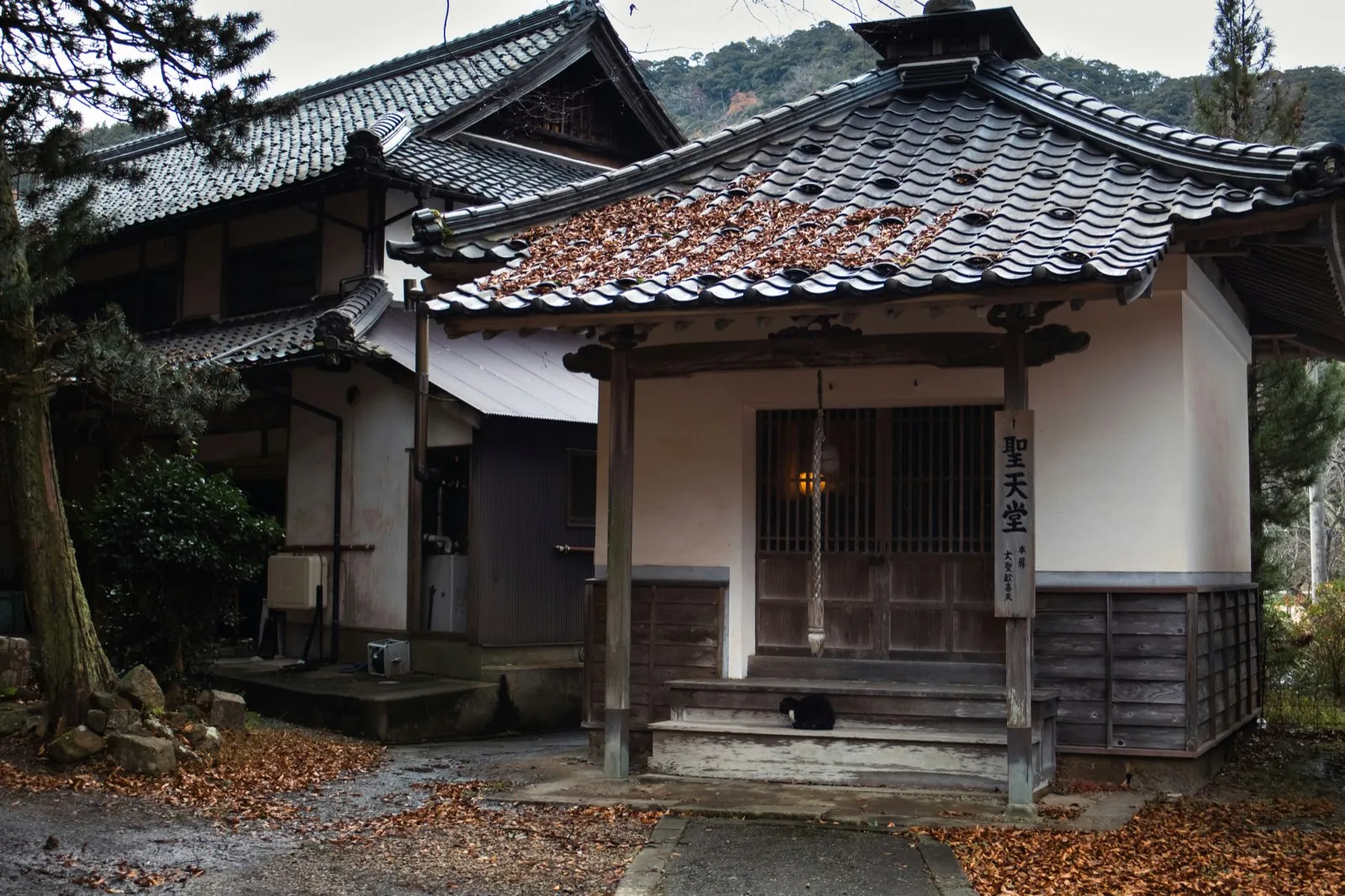
Traditional wooden pavilion with a tiled roof in Kinosaki Onsen

Kinosaki Onsen: seven baths, yukata and canals by the sea

The most charming hot-spring town in northern Kansai, a direct train ride from Kyoto.

Kinosaki at a glance

Kinosaki Onsen is a picture-postcard spa town: a willow-lined canal, stone bridges and seven public bathhouses you tour while strolling in yukata and geta. The charm lies in treating the whole town as your ryokan — you sleep in traditional accommodation and head out to bathe from one soto-yu to the next as night falls. It sits on the northern coast of Hyogo, facing the Sea of Japan, and is reached by direct train from Kyoto and Osaka.

Kinosaki works as a one-night getaway from Kyoto or Osaka: the Limited Express train drops you at the town's own station, five minutes on foot from the baths. Almost every ryokan lends a yukata and includes the pass for free entry to the seven bathhouses. In winter (November to March) it is also one of the best places in Japan to eat matsuba crab.

How many days should you spend in Kinosaki? Calculate your budget and split your nights automatically.
Plan my trip →

What to see and do in Kinosaki

The town is small and walkable. The central experience is the baths, but there are surroundings worth half a day if you stay longer.

Steaming outdoor thermal bath (rotenburo) in Kinosaki

The seven soto-yu (bathhouses)

The heart of Kinosaki is its seven public baths: Goshono-yu, Ichino-yu, Yanagi-yu, Mandara-yu, Ko-no-yu, Jizo-yu and Satono-yu. Each has its own character — from the most palatial (Goshono-yu) to the largest spa-style one (Satono-yu). If you stay in the town, the yukata pass gives you unlimited access to all of them.

Kinosaki canal with a stone bridge and willows reflected in the water

The Otani river stroll in yukata

The central canal, flanked by willows and lanterns, is the stage of the town. As the afternoon draws in it fills with people in yukata and geta going from one bath to another. It is the most recognisable image of Kinosaki and the plan in itself: stroll, try food stalls and enter the baths at your leisure.

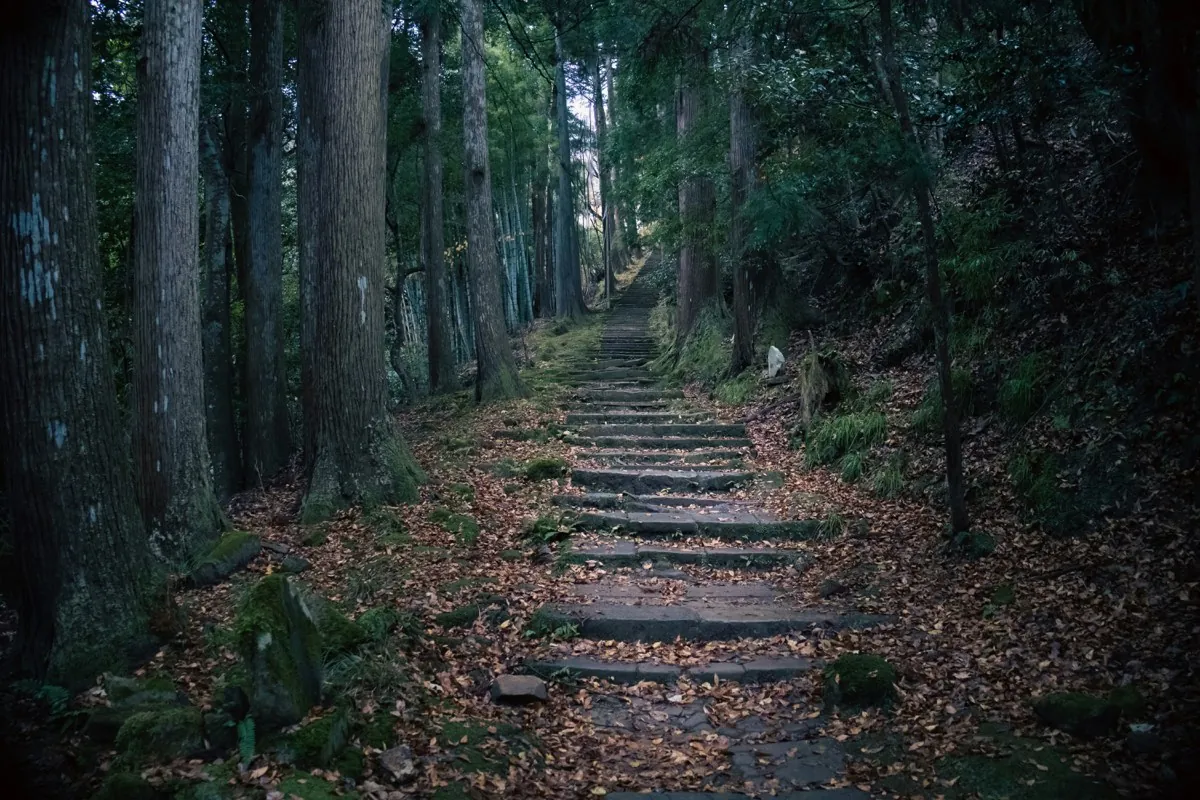
Stone path among cedars towards Onsenji temple in Kinosaki

Onsenji cable car and surroundings

The Kinosaki cable car climbs Mount Daishi, with views of the town and the coast, and to Onsenji temple, linked to the thermal origins of the place. A short train ride away are the Genbudo caves (basalt formations) and the Kinosaki Marine World aquarium, good options if you travel with children or stay two nights.

Activities and experiences in Kinosaki

Recommended plans, sights and experiences, with budget guidance and direct links.

No activities are loaded for this city yet.
How to fit Kinosaki into your itinerary

Kinosaki is a one-night getaway from Kyoto (about 2h30 on a direct Limited Express) or from Osaka (about 2h45). It fits very well as a thermal detour to the north of the classic route, especially if you are looking for your ryokan-with-onsen night away from the crowds. If you have a JR Pass, the train is covered. To see where it fits within the trip and how many days to give each stop, use the planner or check the itineraries by duration.

Travel between cities

How much does the train to Kinosaki cost? Check whether the JR Pass is worth it by adding Kinosaki to your route.
Calculate JR Pass →

Frequently asked questions about Kinosaki

How do you get to Kinosaki from Kyoto?

On the Limited Express "Kinosaki" train direct from Kyoto station to Kinosaki-Onsen, in about two and a half hours with no transfers. The ticket is around 5,300 yen in a reserved seat and is covered by the JR Pass. Work out whether the JR Pass is worth it →

How do you get to Kinosaki from Osaka?

On the Limited Express "Kounotori" from Shin-Osaka to Kinosaki-Onsen, in about 2 hours and 45 minutes. The ticket is around 6,100 yen in a reserved seat and is also covered by the JR Pass. See the Japan transport guide →

Do you have to pay for each bath separately?

If you stay at a ryokan in the town, you normally receive a yukata pass that gives free, unlimited access to the seven bathhouses during your stay. If you visit for the day without staying, you can buy a one-day ticket that covers all the baths.

How many nights should you stay in Kinosaki?

One night is usual and enough to live the experience: arrive in the afternoon, tour the baths in yukata, have dinner at the ryokan and bathe again in the morning. A second night makes sense if you want to add the surroundings (Genbudo, the aquarium) or are after total disconnection.

What is the best time to visit Kinosaki?

The onsen can be enjoyed all year round, but winter (November to March) is high season because of the matsuba crab, a local speciality. The snow over the canal willows also gives it a special atmosphere. In summer it is a cool escape from the cities.

Can you enter the onsen with tattoos?

Kinosaki is one of the most tolerant hot-spring destinations in Japan: its public baths usually admit tattoos without a problem, something uncommon at other onsen. Even so, it is worth confirming at each bath or at the ryokan on arrival.