
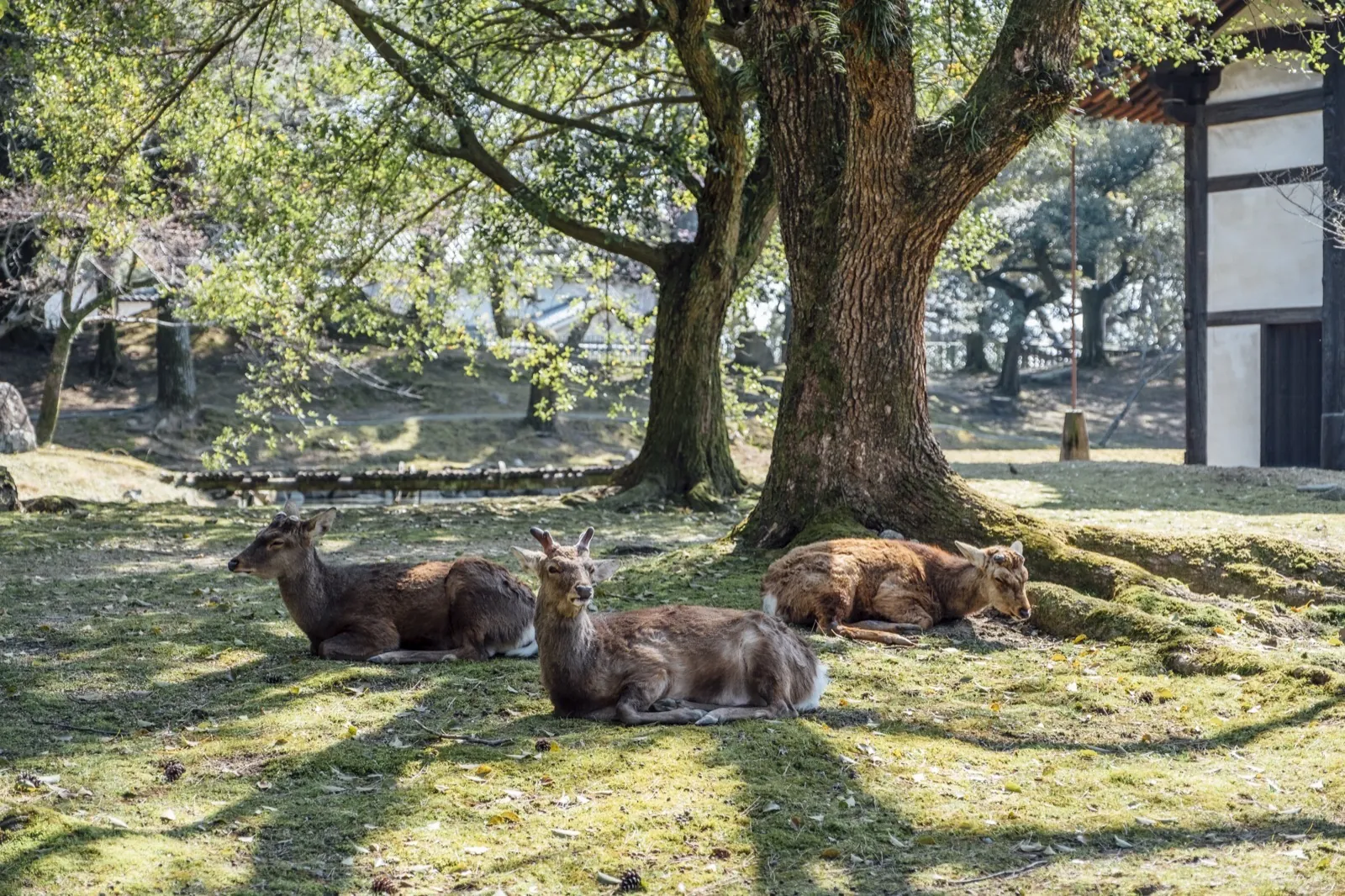
Deer in Nara park with Todai-ji temple in the background

Nara: the first capital of Japan and the park of sacred deer

A small, peaceful destination with exceptional historical depth that is perfect to explore on foot.

Nara at a glance

Nara was the first permanent capital of Japan in the 8th century, and much of that legacy remains intact. The central park is home to more than 1,200 semi-wild sika deer, considered messengers of the gods in Shinto. Within just a few hundred metres sit the Great Buddha of Todai-ji — inside the largest wooden building in the world — the Kasuga-taisha shrine with its thousands of stone and bronze lanterns, and the quiet historic district of Naramachi. A city that surprises with how much it offers in so little space.

Nara is usually visited as a full-day trip from Kyoto (45 min by JR train) or Osaka (30 min). Staying overnight lets you enjoy the city at dusk, when the organised groups leave and the deer wander more calmly through the streets. The city has few hotels, so it is worth booking ahead if you decide to stay. If your route continues towards southern Japan, bear in mind that from Osaka you can take the shinkansen to Hiroshima in just over an hour.

How many days should you spend in Nara? Calculate your budget and split your nights automatically.
Plan my trip →

Key Nara areas

The park and the historic centre are explored on foot. Most of the day can be organised around these three main points.

Sika deer in Nara Park with Todai-ji temple in the background

Nara Park and Todai-ji

The large urban park where the deer mingle with visitors. It is home to Todai-ji, one of the largest wooden buildings in the world, and the bronze Great Buddha standing almost 15 metres tall. Arriving before 9am avoids the biggest crowds and lets you see the deer on the park paths without the masses.
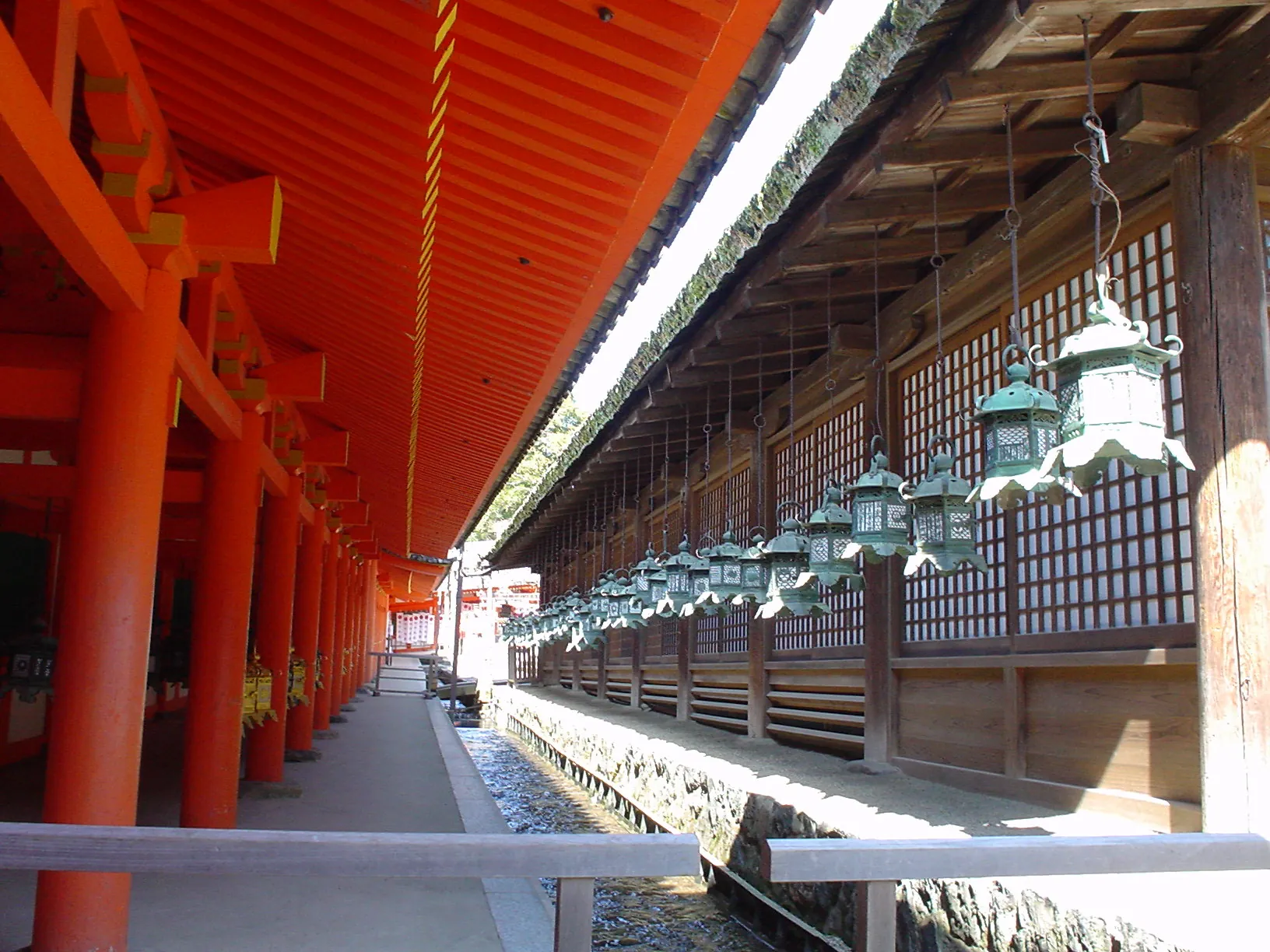
Stone lanterns on the path to Kasuga-taisha shrine in Nara

Kasuga-taisha and the Kasuga forest

A World Heritage Shinto shrine, known for its more than 3,000 stone and bronze lanterns that light the path to the shrine. The adjacent primeval forest has been protected for more than 1,300 years and is home to exceptional biodiversity, with deer coming and going freely.

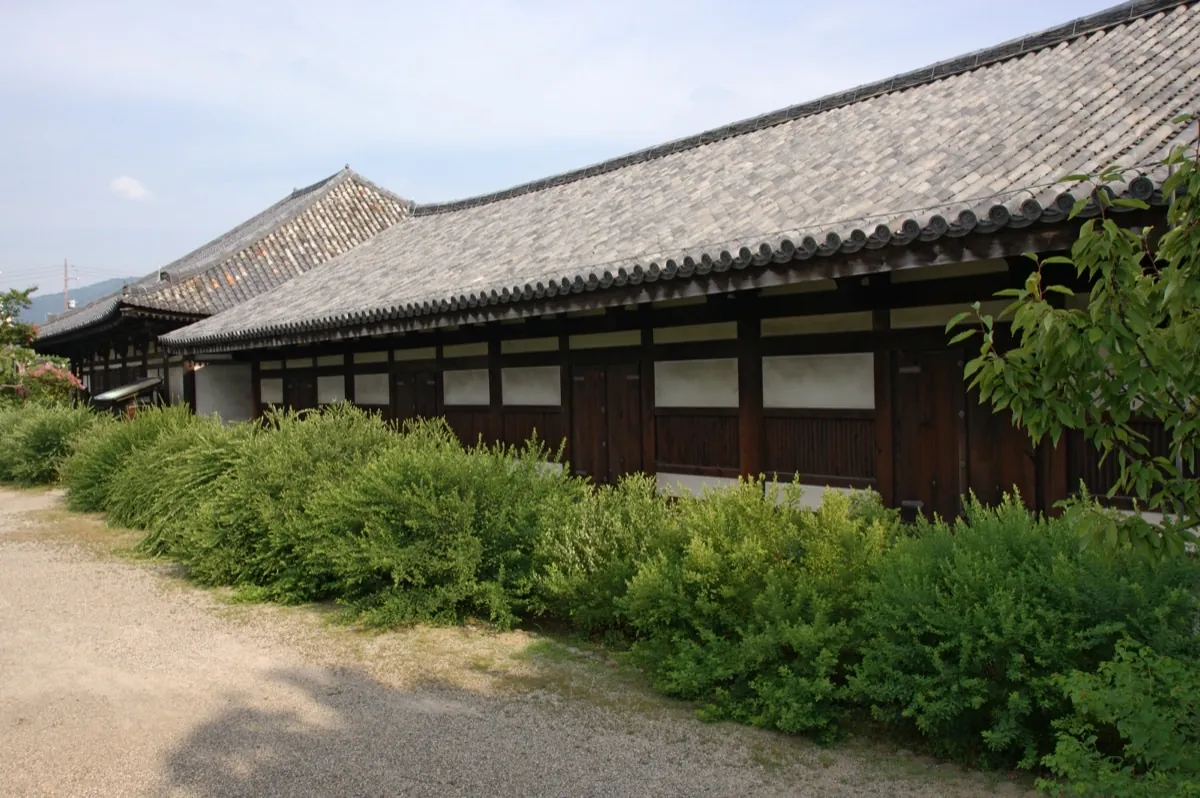
Quiet streets with machiya houses in the Naramachi district, Nara

Naramachi

A historic merchant district with very well preserved traditional machiya houses, small craft shops, quiet cafes and free local museums. The pace is very gentle and the Edo-period architecture is intact. Perfect for the end of the day, when the light is warmer.

Activities and experiences in Nara

Recommended plans, sights and experiences, with budget guidance and direct links.

A stroll through Nara Park
Animals, Nature · A 660-hectare park among temples, ponds and free-roaming deer; a completely free stroll accessible all year.
Free
Todai-ji and the Great Buddha
Temples & castles · The largest wooden temple in the world houses the 15 m bronze Great Buddha; adult admission ~600 ¥.
1 - 1.499 JPY
Kasuga Taisha
Kasuga Taisha
Temples & castles · World Heritage Shinto shrine famous for its 3.000 stone and bronze lanterns; free access to the outer grounds.
1 - 1.499 JPY
Horyu-ji
Horyu-ji
Temples & castles · The oldest Buddhist temple in the world (607 AD), a World Heritage Site, 12 km from the centre; adult admission ~1.500 ¥.
1.500 - 2.499 JPY
Isuien Garden
Isuien Garden
Nature, Tradition · A Meiji-period Japanese garden with borrowed views of the Todai-ji pagoda and Mount Wakakusa; one of the most beautiful views in Nara; admission ~1.200 ¥.
1.500 - 2.499 JPY
Kasuga Taisha Mantoro (Lantern Festival)
Events, Temples & castles · Twice a year (February and August) the shrine's 3.000 lanterns are lit at the same time; access ~500 ¥.
Free

How to fit Nara into your itinerary

Nara is almost always visited as a day trip from Kyoto (45 min by train) or from Osaka (30 min), so it rarely needs accommodation of its own. It fits naturally into the Kansai block alongside Kyoto and Osaka; staying overnight only pays off if you want to see the park at dawn, free of organised groups. To place it within your full route, check the itineraries by duration.

Travel between cities

How much does the train to Nara cost? Check whether the JR Pass is worth it by adding Nara to your route.
Calculate JR Pass →

Frequently asked questions about Nara

Can you visit Nara in a day from Kyoto?

Yes, Nara is about 45 minutes by JR train from Kyoto. With a full day you can visit the park, Todai-ji, Kasuga-taisha and the Naramachi district without rushing. Set off early to make the most of the morning before the organised groups arrive. See the day-trip guide →

Are the Nara deer dangerous?

The sika deer of Nara are gentle and used to tourists, but they are wild animals. Avoid cornering them, do not hold out food without intending to give it, and be careful of the stags' antlers during mating season (autumn). The park shops sell "shika senbei" (deer crackers), which is the usual and safe way to interact with them.

Does the JR Pass cover the train to Nara?

From Osaka, the JR Yamatoji line is covered by the JR Pass. From Kyoto, the JR Nara Line is too (about 45 min). The Kintetsu line, faster from Kyoto (35 min), is not included in the JR Pass. Work out whether the JR Pass is worth it →

Is it worth staying a night in Nara?

Yes, especially if you want to experience the city away from the pace of a day trip. The early morning hours, with the park almost empty and the deer walking through the mist, are one of the most peaceful experiences in the Kansai region. There are ryokan and hotels at various prices near the park.

What else is there to see in Nara besides the park?

Horyuji temple, about 15 km from the centre, is the oldest group of wooden buildings in the world (7th century) and a World Heritage Site. Yakushi-ji and Toshodai-ji are also worth a visit, both reachable by bus from Nara station.

When is the best time to visit Nara?

Spring (cherry blossoms in March-April) and autumn (momiji in November) are the most photogenic times, though also the busiest. The Omizutori festival at Todai-ji (early March) is one of the oldest in Japan. Winter, with deer in the snow and very few tourists, is a much underrated option. See when to travel to Japan →