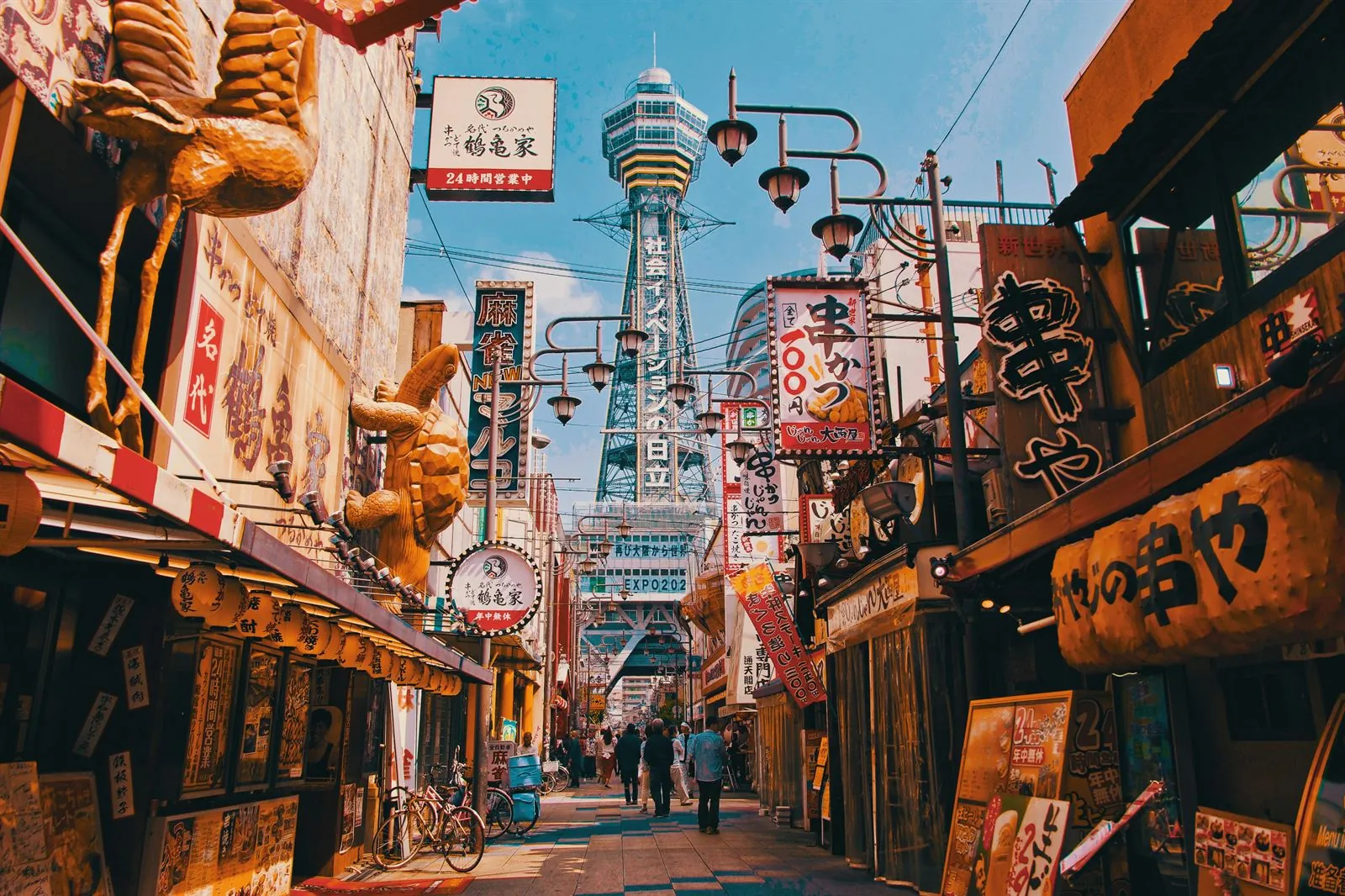
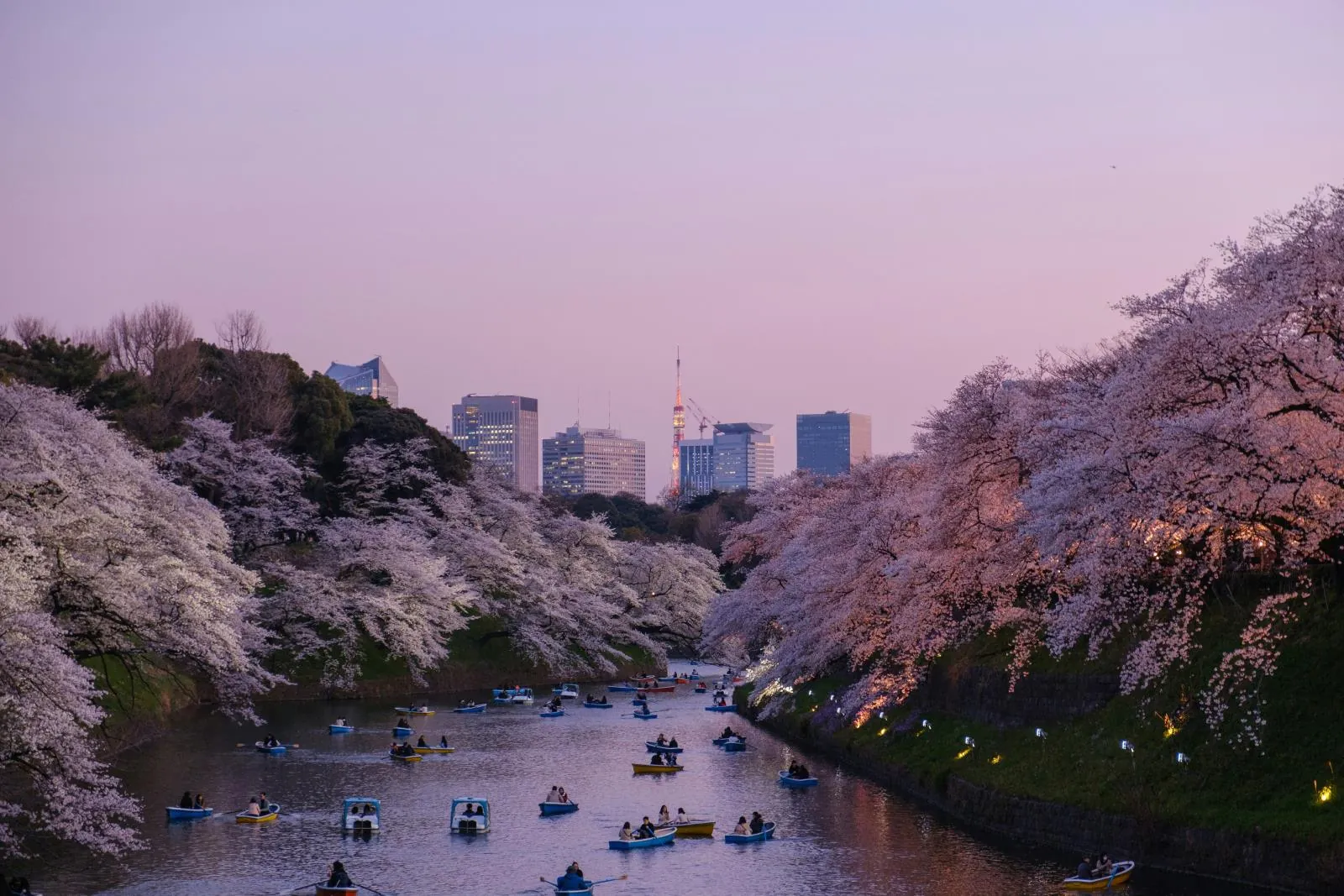
Night view of Tokyo, the first stop of a 7-day itinerary through Japan

Japan itinerary in 7 days: a week well spent

The Tokyo–Kyoto–Osaka route condensed into seven days, with what to see each day and the activities you can book.

Seven days in Japan force you to choose, but they are more than enough to experience the essentials of the country if you organise the transfers well. This is the classic Tokyo–Kyoto–Osaka route condensed into a week: day by day, with real activities you can book and the option to tailor it to your taste.

Search for your flight to Japan

Compare flight prices to Japan from your city and book at the best price. The departure airport and the dates are indicative: change them to suit your trip.

Can you see Japan in 7 days?

Yes, but with one condition: you have to choose. A week is enough to get to know the backbone of the country in depth —Tokyo, Kyoto and Osaka— and little more. It is not the trip to add Hiroshima, Hakone or Mount Fuji; it is the trip to do the essentials well without ending up exhausted going from train to train.

The key to a 7-day itinerary is to minimise the transfers. With three bases (Tokyo, Kyoto and Osaka, all on the same Shinkansen line) you change hotel only twice and make the most of each full day. The first day is always partly lost to the flight and jet lag, so in practice you work with six useful days.

If you have room to extend the trip, it is almost always worth it: with 10 days Nara fits comfortably and you breathe better, and with two weeks Hiroshima and Hakone appear. You have it all compared in the guide to 10, 14 and 21-day itineraries. But if you only have a week, this route is designed to make the most of it.
The 7-day route at a glance

Three cities, two Shinkansen transfers and arrival and departure through different airports (Tokyo on arrival, Osaka on departure) so you do not repeat a leg. This is the structure:

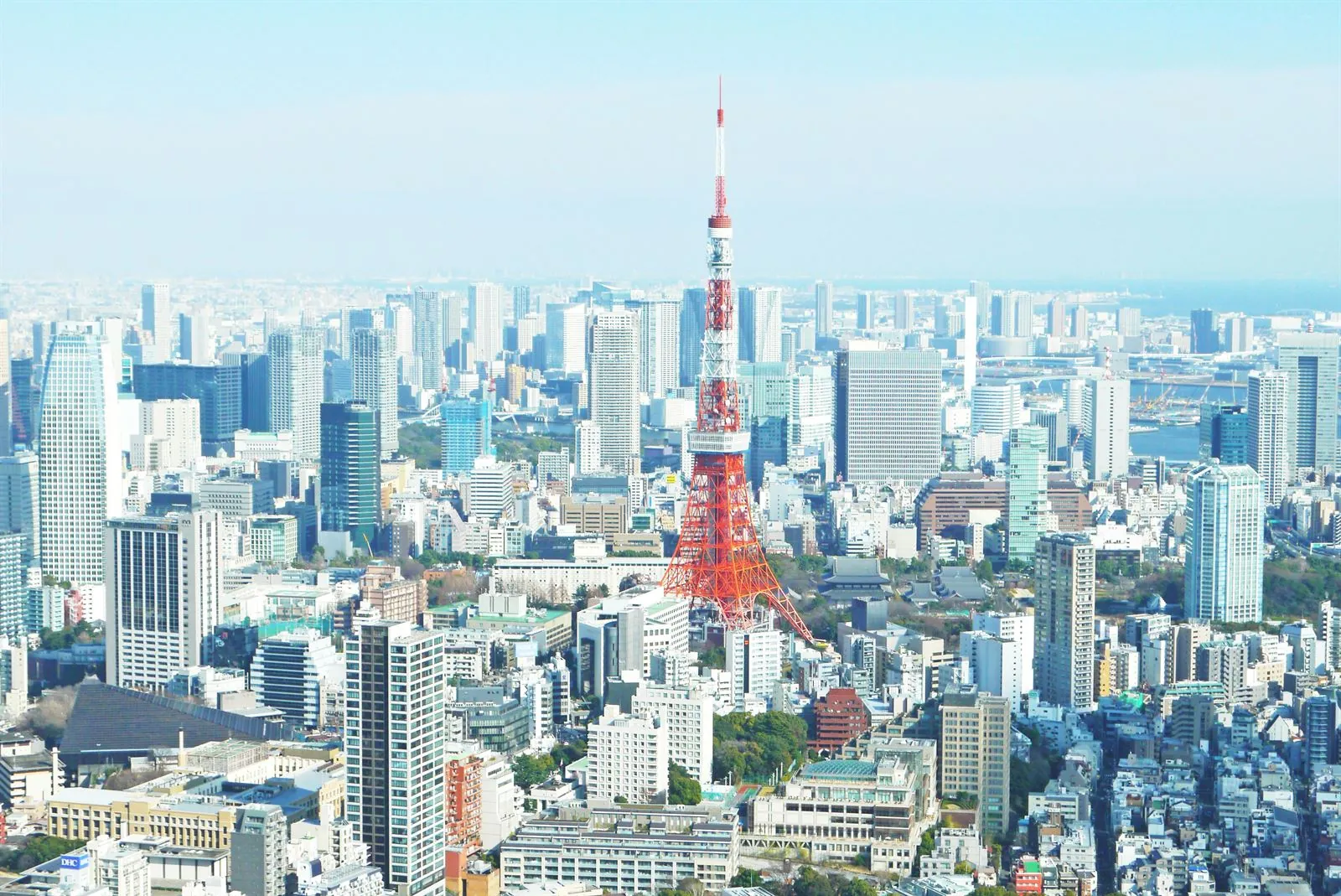
Tokyodays 1–3
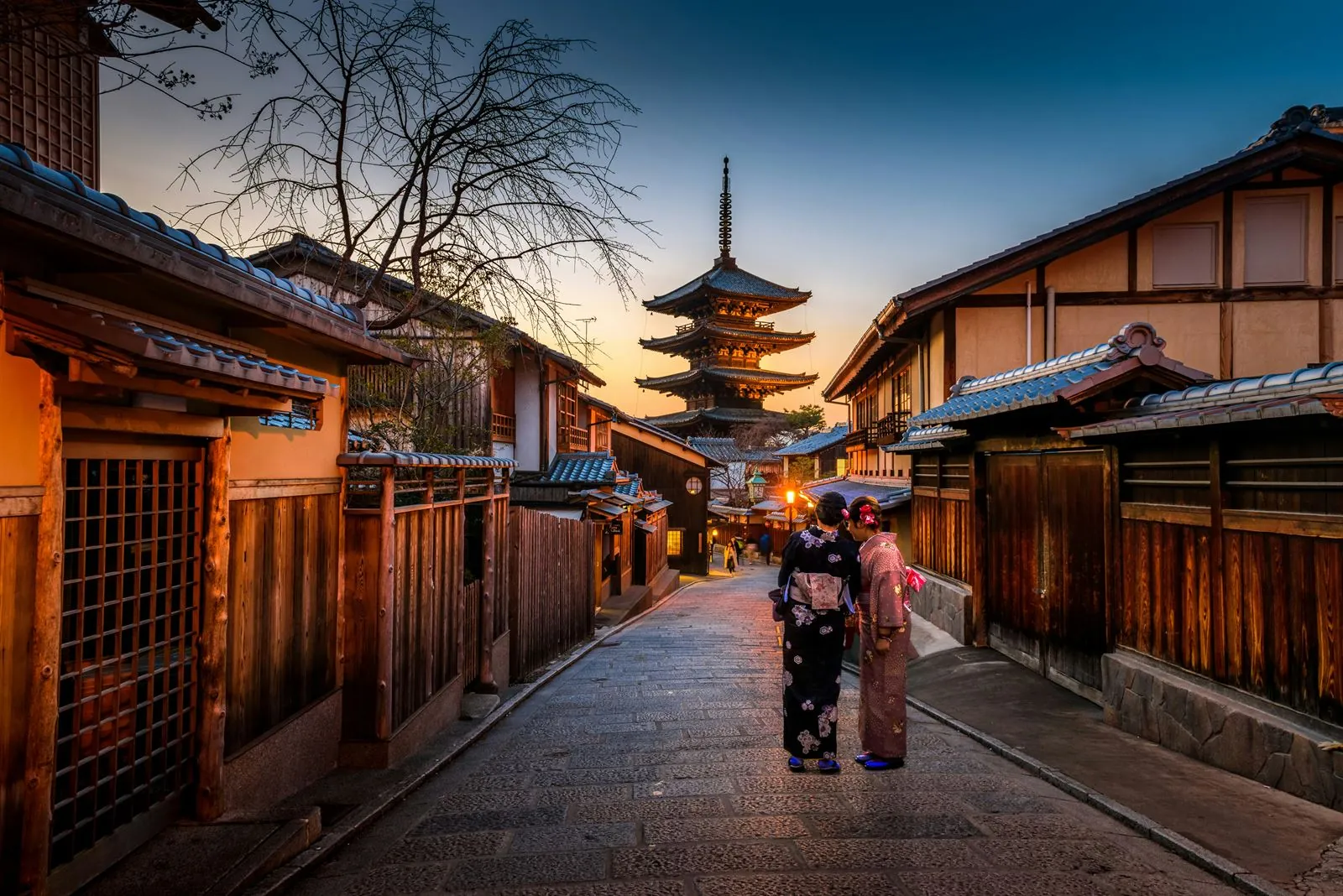
Kyotodays 4–5
Osakadays 6–7

Day-by-day itinerary (7 days)

A realistic split for a first visit. The times are indicative: adjust them to your pace and the season (in summer it is worth starting early to avoid the heat).

1

Arrival in Tokyo and first contact

From the airport to the hotel on the Narita Express or Limousine Bus, top up your Suica card at the station and keep the day for something light: stroll through Shinjuku at dusk, have dinner at a konbini or an izakaya and sleep early. Jet lag is beaten by resting, not by pushing yourself on the first day.

Tokyo · base 1
2

Modern Tokyo: Shibuya, Harajuku and Shinjuku

Start in Harajuku (the Meiji-jingū shrine and Takeshita street), continue to Shibuya (the most famous crossing in the world and the Shibuya Sky viewpoint) and finish in Shinjuku among izakaya alleys and neon. The three areas are 10–15 minutes apart by metro.

3

Traditional Tokyo: Asakusa, Ueno and Akihabara

The historic face of the city: the Senso-ji temple and Nakamise street in Asakusa in the morning, the park and museums of Ueno at midday, and the electronics and otaku culture of Akihabara in the afternoon. Pack your suitcase at night for the next day's transfer.

4

Shinkansen to Kyoto and the Gion district

Take the bullet train mid-morning (2h15 from Tokyo Station). Drop your luggage at the hotel and devote the afternoon to Gion: the wooden streets of Hanamikoji, the Higashiyama area and the climb to Kiyomizu-dera temple with views over the city at sunset.

Kyoto · base 2
5

Kyoto: Fushimi Inari and Arashiyama

Get up early to reach Fushimi Inari before 8:00 and walk among the thousands of orange torii with almost no one around. In the afternoon, the Arashiyama bamboo grove and the Tenryu-ji temple. If you have energy to spare, the golden pavilion of Kinkaku-ji is on the way.

6

Transfer to Osaka (with optional Nara) and Dotonbori

Osaka is 15 minutes from Kyoto on the Shinkansen or 30 on the Kintetsu train. If you want to make the most of the day, take a day trip to Nara in the morning (the deer and the Great Buddha of Tōdai-ji) before settling in Osaka. At night, Dotonbori and its street food are the best plan of the trip.

Osaka · base 3
7

Osaka and return flight

A final day depending on the flight time: Osaka Castle and the Kuromon Ichiba market if you have the morning free. Kansai International Airport (KIX) is 30–50 minutes away on the Haruka train. Tip: if your hotel offers a luggage forwarding service, send it to the airport the day before to travel light.

What to leave out in a week (and what to save it for)

Accepting what does not fit is the hardest part of planning seven days. These are the destinations most worth sacrificing so the trip does not turn into a train race, with the alternative of when to recover them:

  • Hiroshima and Miyajima. The Peace Park and the floating torii are unforgettable, but they are 1h25 from Osaka on the Shinkansen (one way, on the Nozomi) and require a full day. In a week they force you to cut Tokyo or Kyoto, which is a worse deal. They fit comfortably in the 14-day itinerary.
  • Hakone and Mount Fuji. Seeing Fuji up close and sleeping in a ryokan with an onsen is one of the great moments of Japan, but it requires at least an extra night and a detour from Tokyo. Save it for the 10-day itinerary or longer.
  • Sleeping in Nara. As a half-day trip from Kyoto it does fit (we include it on day 6). What does not fit in a week is staying overnight to see the park empty at dawn; that needs a night that is not to spare here.
  • Kanazawa, Takayama or the Alps. The cities of the centre and the Sea of Japan add a different face of the country, but they pile on long transfers. They are territory for the 21 days or a second visit.
  • Day trips from Tokyo (Nikko, Kamakura). Each one eats a whole day of the capital. In seven days it is better to know Tokyo well than to split it with outings; leave them for when you have four or five nights there.

The underlying rule is the same as for any short trip: fewer kilometres and more depth. If you are left wanting more — which is normal — that is exactly the best reason to come back.

What to book on this route

A selection of real experiences from our catalogue for each stop. Each card links to its page, its booking page and its location on the map.

Activities to book in Tokyo

These are some of the Tokyo activities you can book or locate on the map. Add them to your itinerary or swap them for the ones that appeal most.

Day trip to Mount Fuji from Tokyo
Nature, Viewpoints · A day trip to Mount Fuji and Lake Kawaguchi from Tokyo with a guide; tour from around 8.000-10.000 ¥ depending on the route.
5.000 - 10.000 JPY

Activities to book in Kyoto

Kyoto concentrates temples and very popular experiences: book the ones with limited places well in advance.

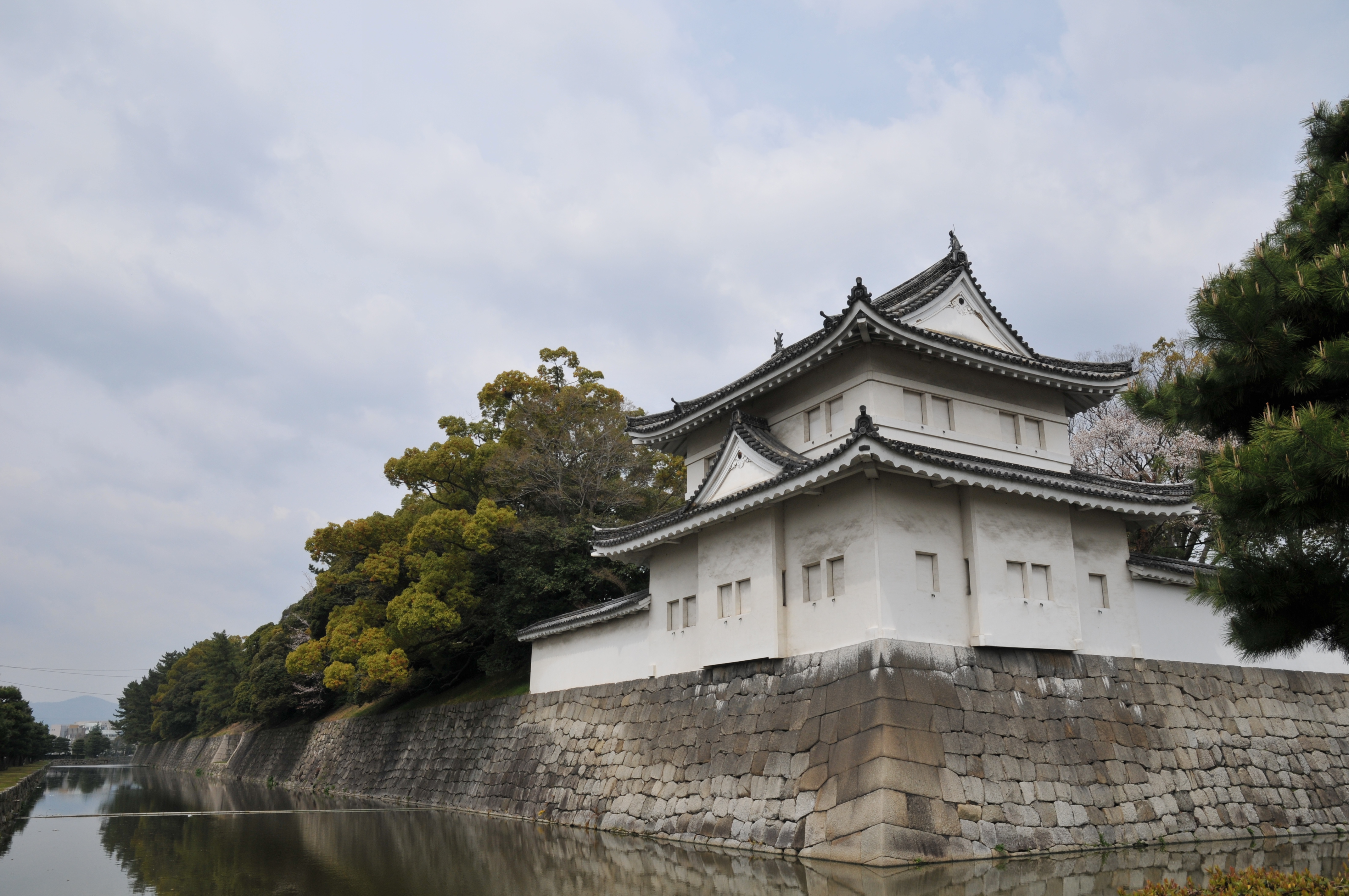
Nijo-jo Castle
Nijo-jo Castle
Temples & castles · Castle of the Tokugawa shogunate with the famous "nightingale" floors that creak when you walk; admission ~1.300 ¥.
1.300 ¥
Matcha experience in Uji
Gastronomy, Tradition · Half-day tour of Uji, the cradle of matcha, with a green-tea tasting and a visit to the surroundings of Byodo-in temple; from around 4.000 ¥.
2.500 - 4.999 JPY

Activities to book in Osaka

Osaka is the food stop of the trip, but it also has a castle, viewpoints and nearby day trips.

Osaka Castle (castle interior and museum)
Museums, Temples & castles · Visit the interior of Osaka Castle and its museum, with a viewpoint and an exhibition on the history of feudal Japan.
1.200 ¥

Indicative budget for 7 days

Estimate for one person in mid-season, with mid-range accommodation (a 3-star hotel or a quality hostel). In April and November prices rise by 30–40%. These are indicative figures, not a fixed budget.

Item7-day estimate
International return flight600–950 €
Accommodation (6 nights, ~60–90 €/night)360–540 €
Intercity transport (Shinkansen)110–180 €
Food (15–35 €/day)105–245 €
Tickets and activities60–120 €
Local transport (metro, bus)30–55 €
Total per person (without flight)665–1,140 €
Total per person (with flight)1,265–2,090 €

For a 7-day route that only links Tokyo, Kyoto and Osaka, the JR Pass usually is not worth it: the 7-day pass costs 50,000 ¥ (about 270 €) and the two Shinkansen legs of this route are considerably cheaper bought individually. You have the prices and the full comparison in the JR Pass guide, and you can calculate your exact route with the JR Pass calculator before buying it. To know how much cash to bring, use the yen converter.

Make this itinerary your own

This route is a starting point, not a rule. A week is experienced very differently depending on the pace you want, the people you travel with and what interests you most.

  • Travelling with children or prefer it calm? Remove one Tokyo area and spread the day with more breaks. You have ideas in Japan with kids.
  • Have energy to spare? Add the day trip to Nara on day 6 or an extra early start in Kyoto to add Kinkaku-ji and Ryoan-ji.
  • Love food? Reserve more hours in Osaka and fewer in the Tokyo museums.
  • Watching the budget? Stay in Osaka and visit Kyoto on a day trip, or adjust the hotel category.

The fastest way to adapt it is to say how many days you have, how many of you there are, your budget and your pace: from there the nights are distributed between cities, the costs are estimated and the hotel links are generated automatically.

Generate your personalised 7-day itinerary Enter your dates, budget, number of people and travel pace. The planner distributes the nights between cities, estimates the costs and generates the hotel links.
Plan my trip →

More travel guides

Frequently asked questions

Are 7 days enough to visit Japan?

For a first visit focused on Tokyo, Kyoto and Osaka, a week is enough to see the essentials without too much rush, though without room for extensions such as Hiroshima or Hakone. If you can extend the trip, 10 days breathe much better: compare it in the guide to itineraries by duration.

How many days to spend in Tokyo in a week?

Three days (including arrival) is the usual split: one for modern Tokyo (Shibuya, Harajuku, Shinjuku), another for the traditional side (Asakusa, Ueno, Akihabara) and the arrival day, lighter because of jet lag. If you want to go deeper, read how many days in Tokyo.

Is the JR Pass worth it for 7 days?

Usually not. For a route that only links Tokyo, Kyoto and Osaka, individual Shinkansen tickets are cheaper than the 7-day JR Pass (50,000 ¥, about 270 €). Check it with your exact route in the JR Pass calculator and see the updated prices in the JR Pass guide.

Is it better to start in Tokyo or Osaka?

The most efficient option is to fly into one airport and out of the other (an "open jaw" ticket) so you do not repeat the Tokyo–Osaka leg. The most common is to arrive in Tokyo and leave from Osaka (Kansai airport), which is exactly the order of this itinerary.

Can I include Nara or Mount Fuji in 7 days?

Nara yes, as a half-day trip on the day you transfer to Osaka (it is 45 minutes from Kyoto). Mount Fuji and Hakone, however, require at least an extra day and force you to sacrifice another stop; they fit better in a 10 or 14-day itinerary.

How much money do you need for a week in Japan?

For 7 days, budget between 665 and 1,140 € per person excluding the flight, depending on accommodation and pace. Bring about 250–350 € in cash (many small places are cash only) and use the yen converter to do the calculation in your currency.

What is best left out of a 7-day itinerary?

Hiroshima and Miyajima (they require a full return day from Osaka), Hakone and Mount Fuji (they need at least an extra night), and the central cities such as Kanazawa or Takayama. In a week the logical thing is to focus on Tokyo, Kyoto and Osaka with a possible day trip to Nara. Those extensions fit better in the 10-day itinerary or the 14-day one.

What is the best time of year for this route?

Spring (sakura, late March to early April) and autumn (momiji, November) are the most beautiful but also the most expensive and crowded. January and February offer low prices and fewer people. You have the detail in when to travel to Japan.