January and February: snow and New Year
| Festival | City | Approx. dates | What it is |
|---|---|---|---|
| Shogatsu (New Year) | All Japan | 1–3 January | Shrine visit in the first hours of the year (hatsumode). Meiji-jingu in Tokyo receives 3 million people in 3 days. |
| Sapporo Snow Festival | Sapporo (Hokkaido) | Early Feb. | Monumental ice sculptures in Odori Park. Structures up to 15 m high. One of the most spectacular winter festivals in the world. |
| Setsubun | All Japan | 3–4 February | End of the seasonal winter. At the temples, beans are thrown to drive away demons (mame-maki). Photogenic scenes in Nara and Kyoto. |
| Nozawa Onsen Fire Festival | Nagano | 15 January | Men of the village defend a wooden shrine while others try to burn it. A 500-year tradition. |
| Yokote Kamakura | Akita (Tohoku) | 15–16 February | Snow igloos (kamakura) decorated with candles, in which children invite visitors to amazake and mochi. Intimate and photogenic atmosphere, with more than 400 years of tradition. |
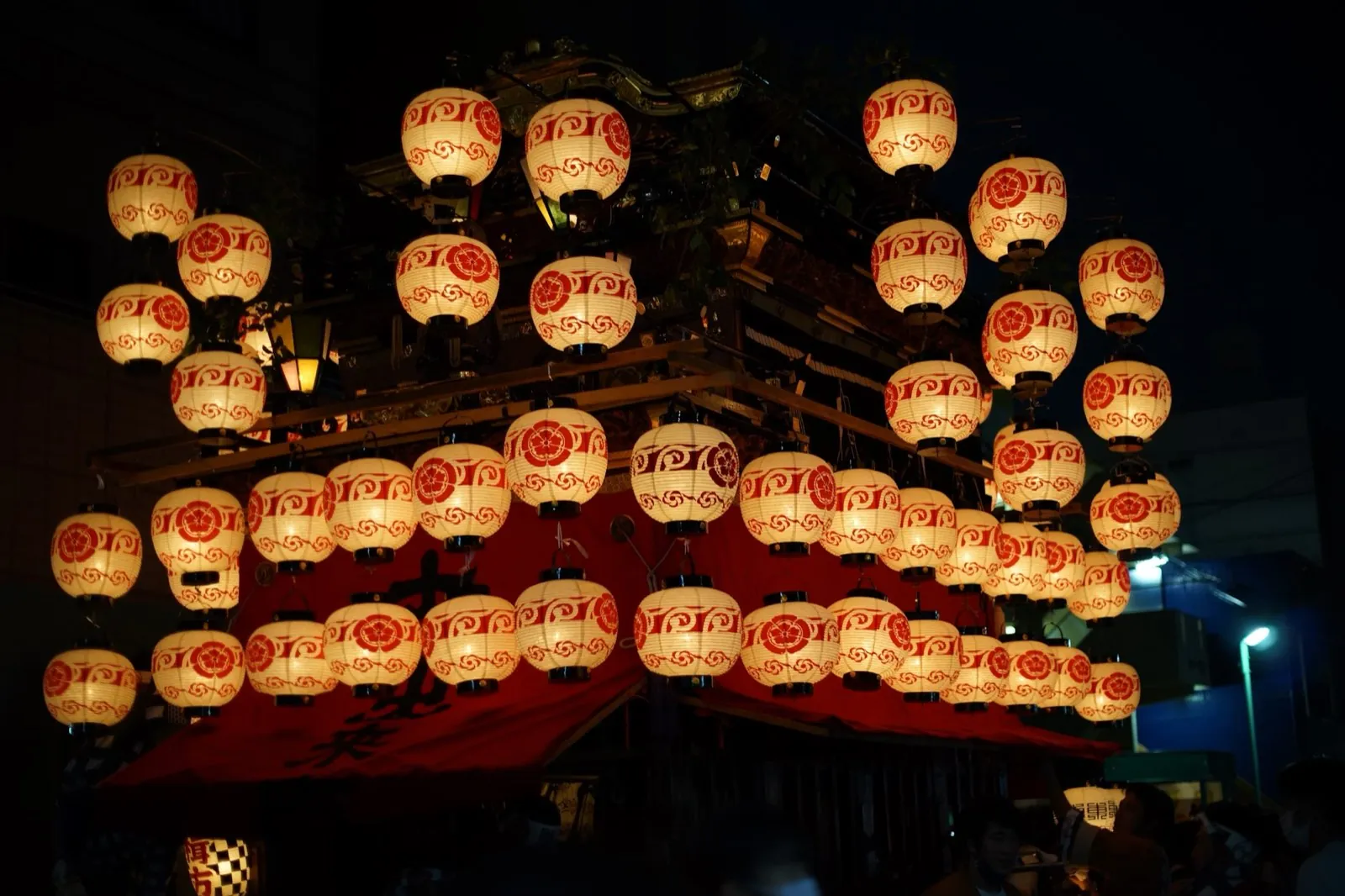
| Nagasaki Lantern Festival | Nagasaki | Chinese New Year (Jan–Feb) | Around 15,000 lanterns light up Nagasaki's Chinatown for a little over two weeks, coinciding with the first 15 days of the Chinese New Year. The date changes each year with the lunar calendar. |
Price note: the Shogatsu period (31 Dec–3 January) is the most expensive of the year in Japan. Hotels triple their prices and reservations are impossible without months of notice. If you can, avoid 31 December and 1 January for leisure trips.