Red sacred Shinkyo bridge over the Daiya river in Nikko

Nikko: UNESCO temples, waterfalls and nature two hours from Tokyo

The most ornate mausoleum in Japan surrounded by centuries-old cedar forests and waterfalls in the mountains of Tochigi.

Nikko at a glance

Within a few square kilometres Nikko brings together two of the country's greatest attractions: the Tosho-gu complex of temples and shrines, a UNESCO World Heritage Site, and the natural setting of Nikko National Park, with Lake Chuzenji, Kegon Falls and hiking trails among cedars hundreds of years old. The combination of monumental architecture and wild nature makes it the most complete day trip from Tokyo.

Nikko works as a day trip from Tokyo, though staying overnight lets you see the temples at dawn, free of tourists, and explore Lake Chuzenji at a relaxed pace. The most convenient access is the Tobu train from Asakusa; bear in mind this line is not covered by the JR Pass, although Tobu sells specific passes for tourists.

How many days should you spend in Nikko? Calculate your budget and split your nights automatically.
Plan my trip →

Key Nikko areas

The Nikko area is divided into three zones: the temple complex in the centre (Tosho-gu, Rinnoji, Futarasan), the Irohazaka road that climbs to Lake Chuzenji, and Kegon Falls right at the lake's entrance.

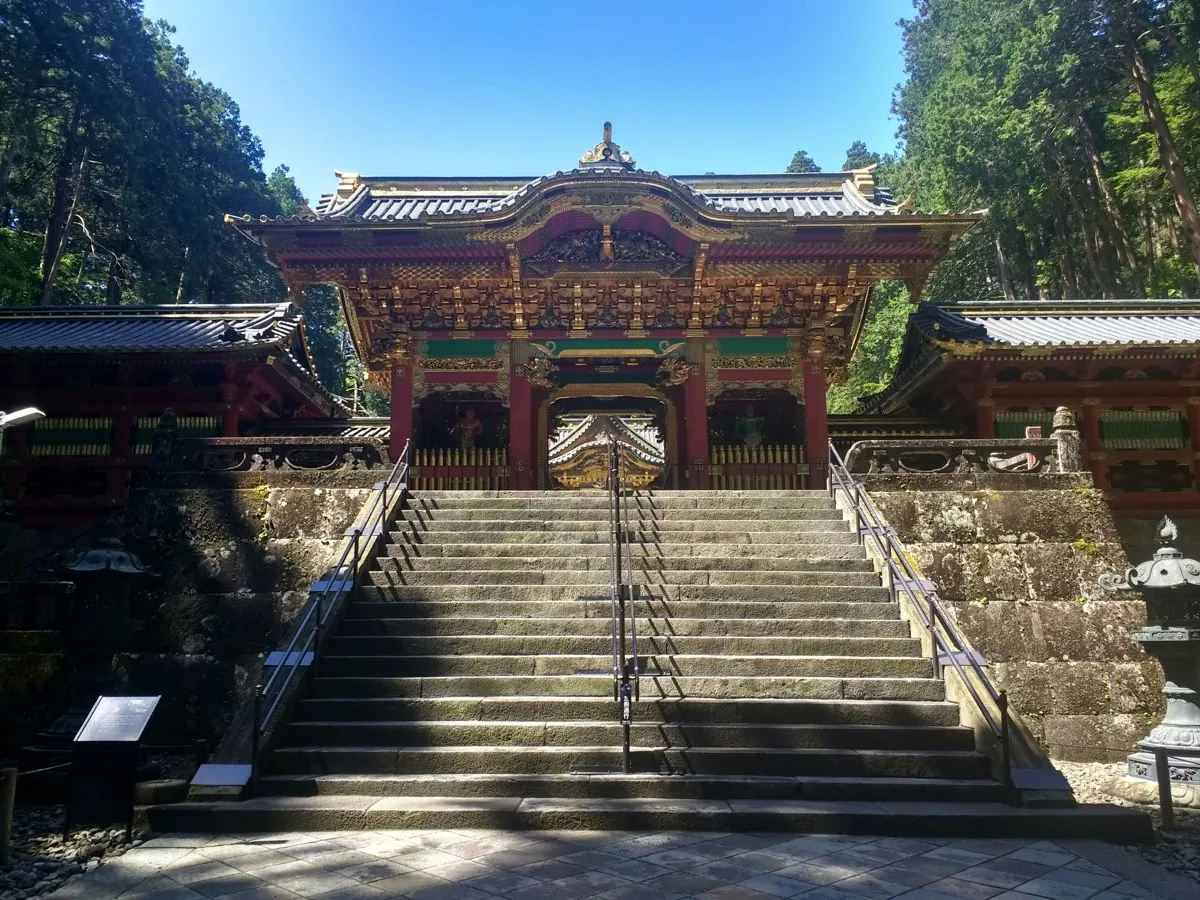
Ornate gate of the Nikko shrine complex among cedars

Tosho-gu and the temple complex

Tosho-gu is the mausoleum of the shogun Tokugawa Ieyasu, built in 1617 and expanded in 1636. The Yomeimon gate — with more than 500 decorative carvings — is one of the most photographed monuments in Japan. The complex also includes the Buddhist temple Rinnoji and the Shinto shrine Futarasan, all declared UNESCO sites in 1999.
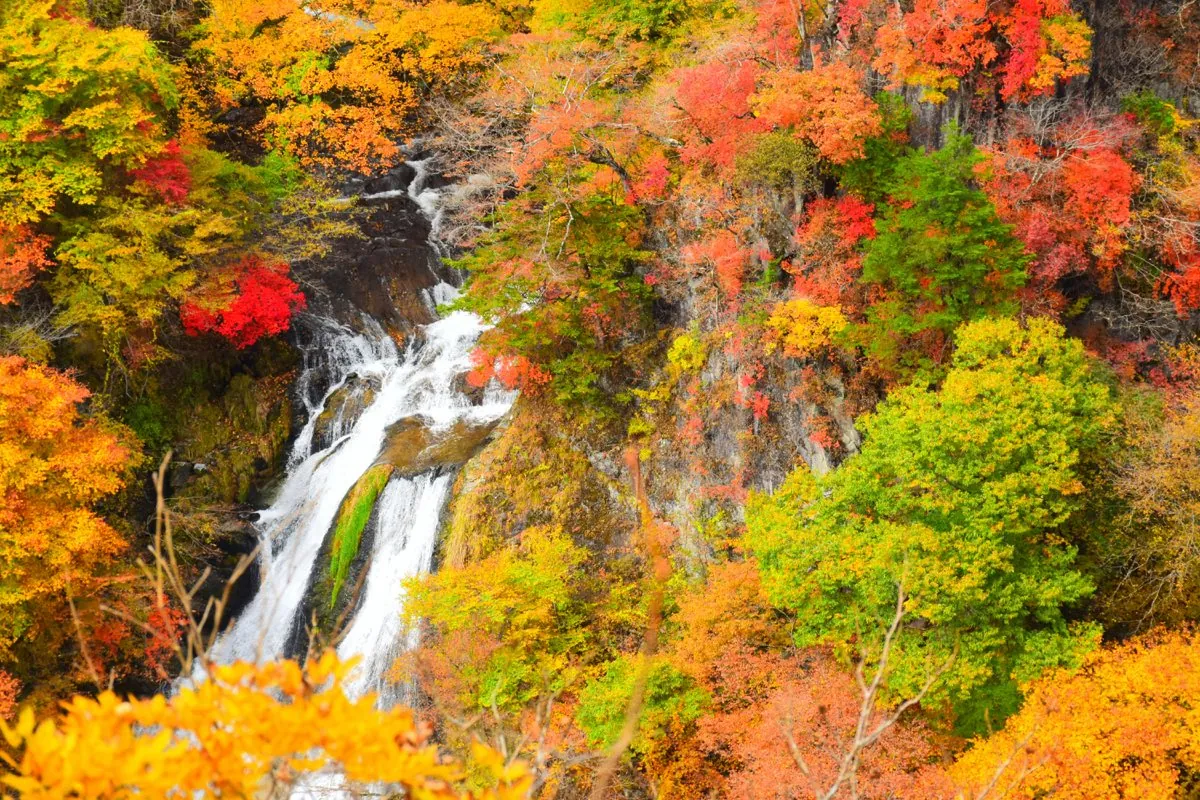
Waterfall among autumn foliage in Nikko National Park

Waterfalls and nature

Nikko National Park is full of waterfalls. The most famous is Kegon, which drops 97 metres from Lake Chuzenji, but there are many more — such as Ryuzu or Kirifuri — especially spectacular when the foliage turns red and gold in autumn.

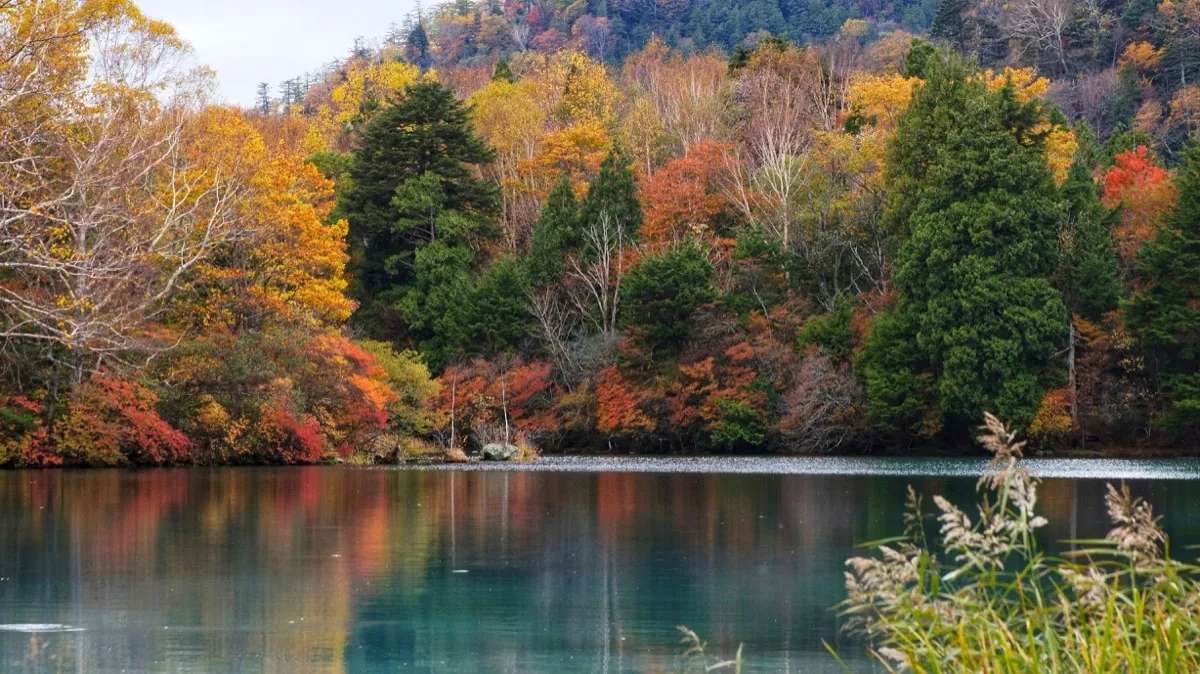
Lake surrounded by forest with autumn colours in Nikko

Lake Chuzenji and Chuzenji Onsen

Lake Chuzenji, at 1,269 metres of altitude, is the highest of the large lakes in Japan. Its shores are flanked by mountains and offer views of the Nantai volcano on clear days. The Chuzenji Onsen area has several ryokan with thermal baths and is the best spot to stay overnight and explore the national park at a relaxed pace.

Activities and experiences in Nikko

Recommended plans, sights and experiences, with budget guidance and direct links.

Taiyuin Mausoleum (Iemitsu's forbidden shrine)
Temples & castles, Viewpoints · The mausoleum of shogun Tokugawa Iemitsu, darker and more mystical than the Toshogu, with five ceremonial gates climbing the hillside; entry 550 ¥.
1 - 1.499 JPY
Rinnoji Temple (Nikko's great Buddhist temple)
Temples & castles · The seat of Tendai Buddhism in Nikko, with three 7-metre gilded statues in the Sanbutsudo and the Shoyo-en garden; entry 400 ¥.
1 - 1.499 JPY
Edo Wonderland Nikko (the feudal-Japan theme park)
Theme parks, Tradition · A theme park with actors dressed as samurai, ninja and geisha across a 331.000 m² set of Edo architecture; entry 2.900-4.800 ¥.
5.000 - 10.000 JPY
Kanman-ga-Fuchi (the abyss of the headless Jizo)
Nature, Temples & castles · A volcanic gorge beside the Daiya river with twenty stone Jizo figures lined up beneath the cedars; free access.
Free
Tamozawa Imperial Villa (the imperial family's summer palace)
Museums, Tradition · The imperial family's largest wooden villa, relocated to Nikko in 1899, with 106 rooms and century-old gardens; entry 550 ¥.
1 - 1.499 JPY
Yumoto Onsen (high-mountain hot springs in the National Park)
Nature, Onsen · Nikko's highest and most remote mountain onsen, at 1.480 metres, surrounded by forests and wetlands; day bathing 800-1.200 ¥.
1.500 - 2.499 JPY

How to fit Nikko into your itinerary

Nikko is ideal for breaking up your days in Tokyo with a getaway of nature and history. If your route already includes Kamakura and Hakone, Nikko adds a third, completely different excursion — this time to the north — with more mountains and less coast. From Shinjuku the direct Tobu train takes about 2 hours and is not covered by the JR Pass, although Tobu sells specific passes for tourists. To see where to place this day within your route, check the itineraries by duration.

Travel between cities

How much does the train to Nikko cost? Check whether the JR Pass is worth it by adding Nikko to your route.
Calculate JR Pass →

Frequently asked questions about Nikko

How do you get to Nikko from Tokyo?

The most direct option is the Tobu Limited Express Spacia from Asakusa (1h 45 min). You can also go by JR from Ueno to Nikko Station (2h, with a transfer), but the Tobu train is more comfortable and frequent. Tobu sells the Nikko All Area Pass for foreign tourists. See the Japan transport guide →

Does the JR Pass cover the trip to Nikko?

Only partly. The JR Pass covers the JR route via Utsunomiya to Nikko, but the most convenient and direct journey (the Tobu Limited Express from Asakusa) is not included. If you are only going to Nikko, the Tobu Nikko All Area Pass usually pays off more than the JR Pass.

How much time do you need to see Nikko?

With 4-5 hours you can see Tosho-gu and the temple complex. To go up to Lake Chuzenji and Kegon Falls it is worth setting off early or staying overnight. A full day is enough for the main sights.

Is it worth sleeping in Nikko or doing a there-and-back day trip?

Most people visit on a day trip from Tokyo. Staying a night in Chuzenji Onsen makes sense if you want to see the temples at dawn without groups and explore the lake and waterfalls at a relaxed pace, especially in the autumn foliage season, when traffic on the Irohazaka climb gets complicated in the afternoon.

When is the best time to visit Nikko?

Autumn (mid-October to November) is the most spectacular time: the reddish foliage among the shrine cedars is one of the most photographed landscapes in Japan. Spring is also very beautiful. In winter the temples appear covered in snow but access to the lake may be limited. See when to travel to Japan →